Chapel Hill & Chatham County Luxury Real Estate
Group of interconnected Chatham County residential neighborhoods near Chapel Hill.
Group of interconnected Chatham County residential neighborhoods near Chapel Hill.
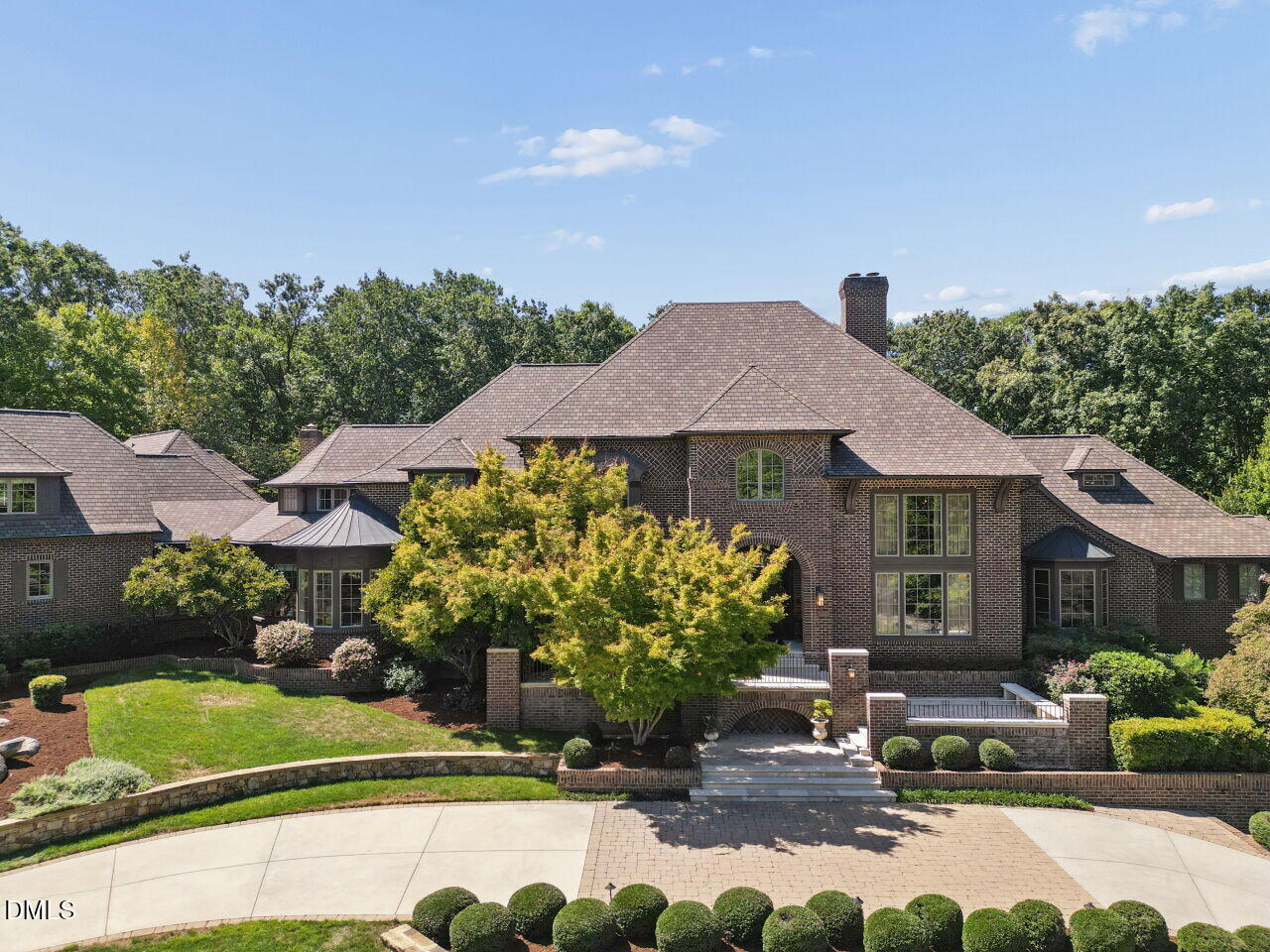
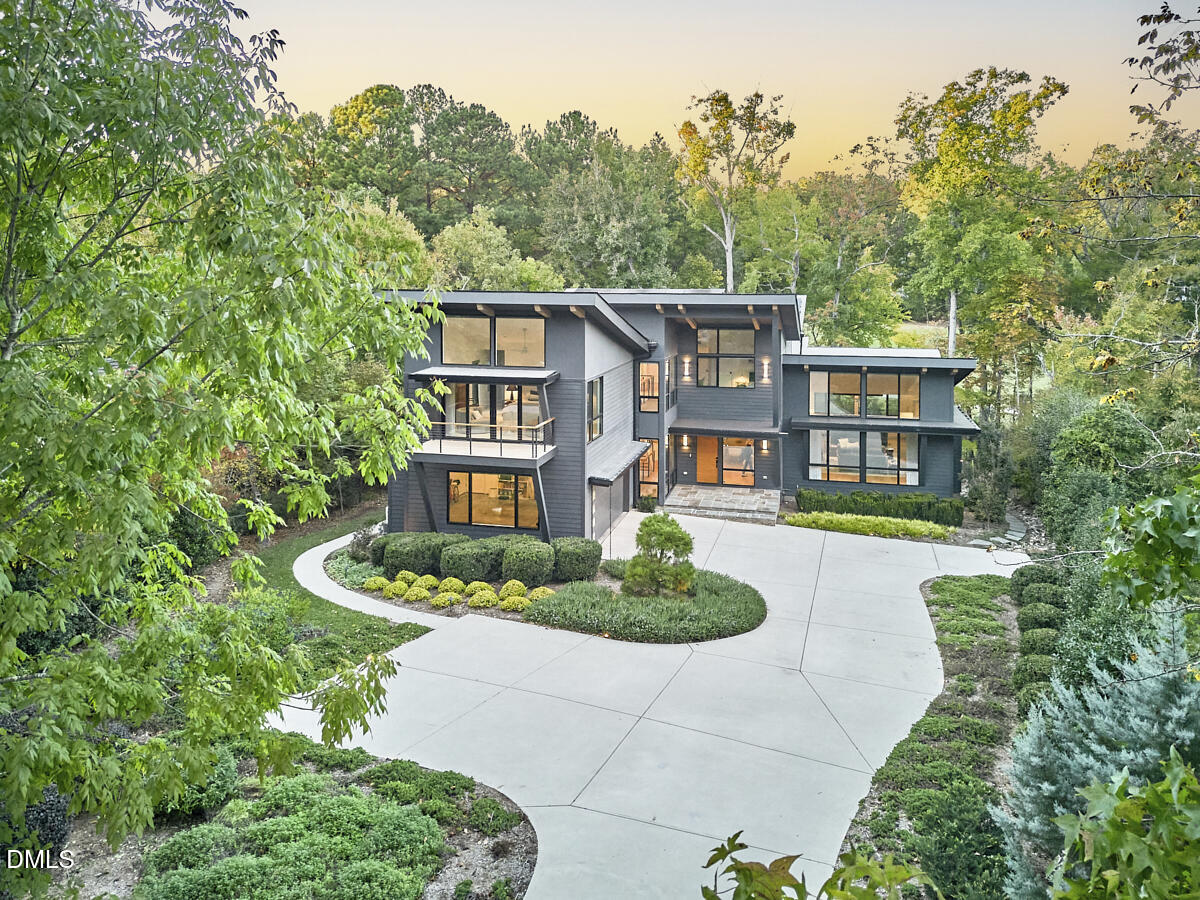
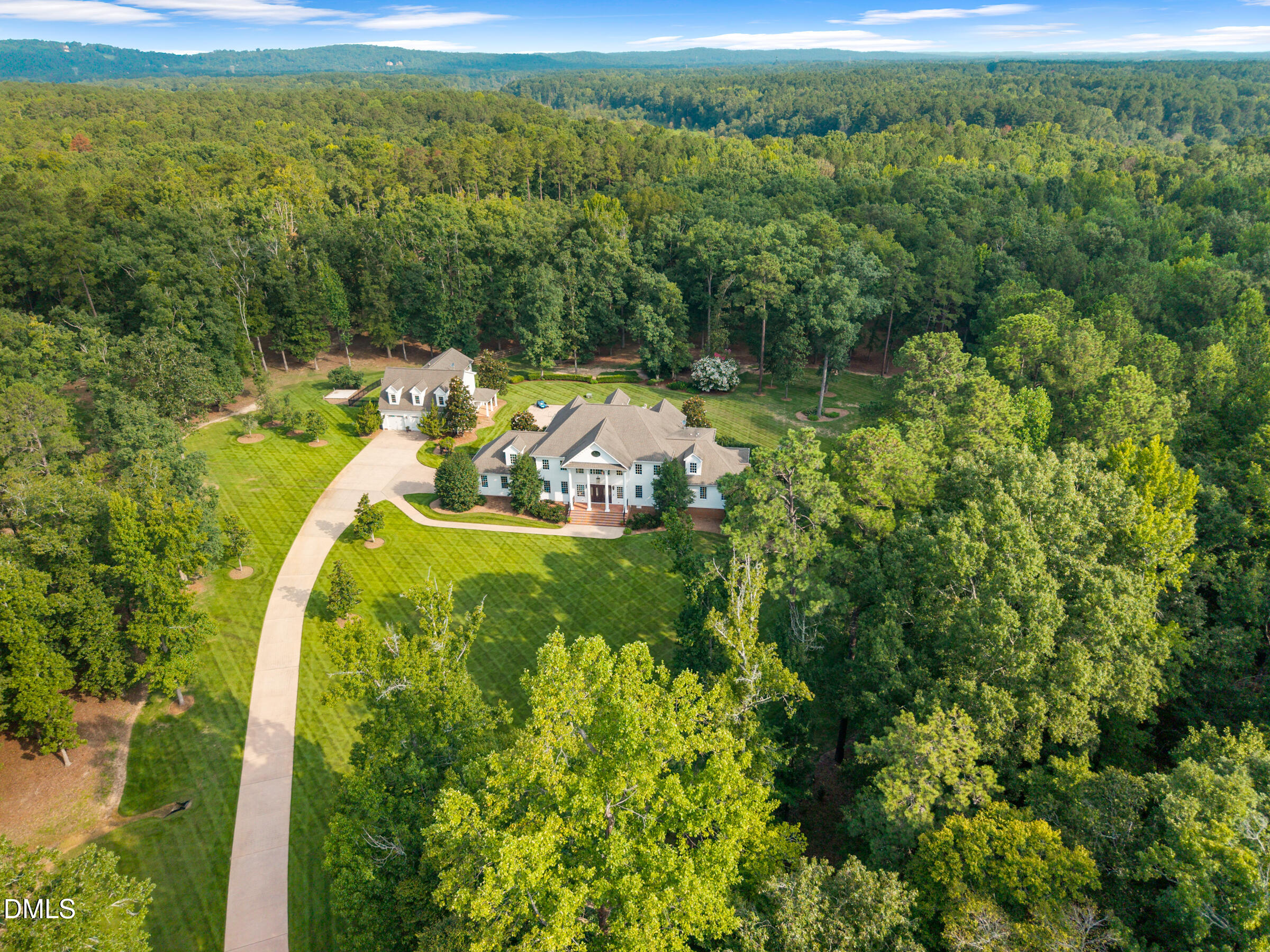
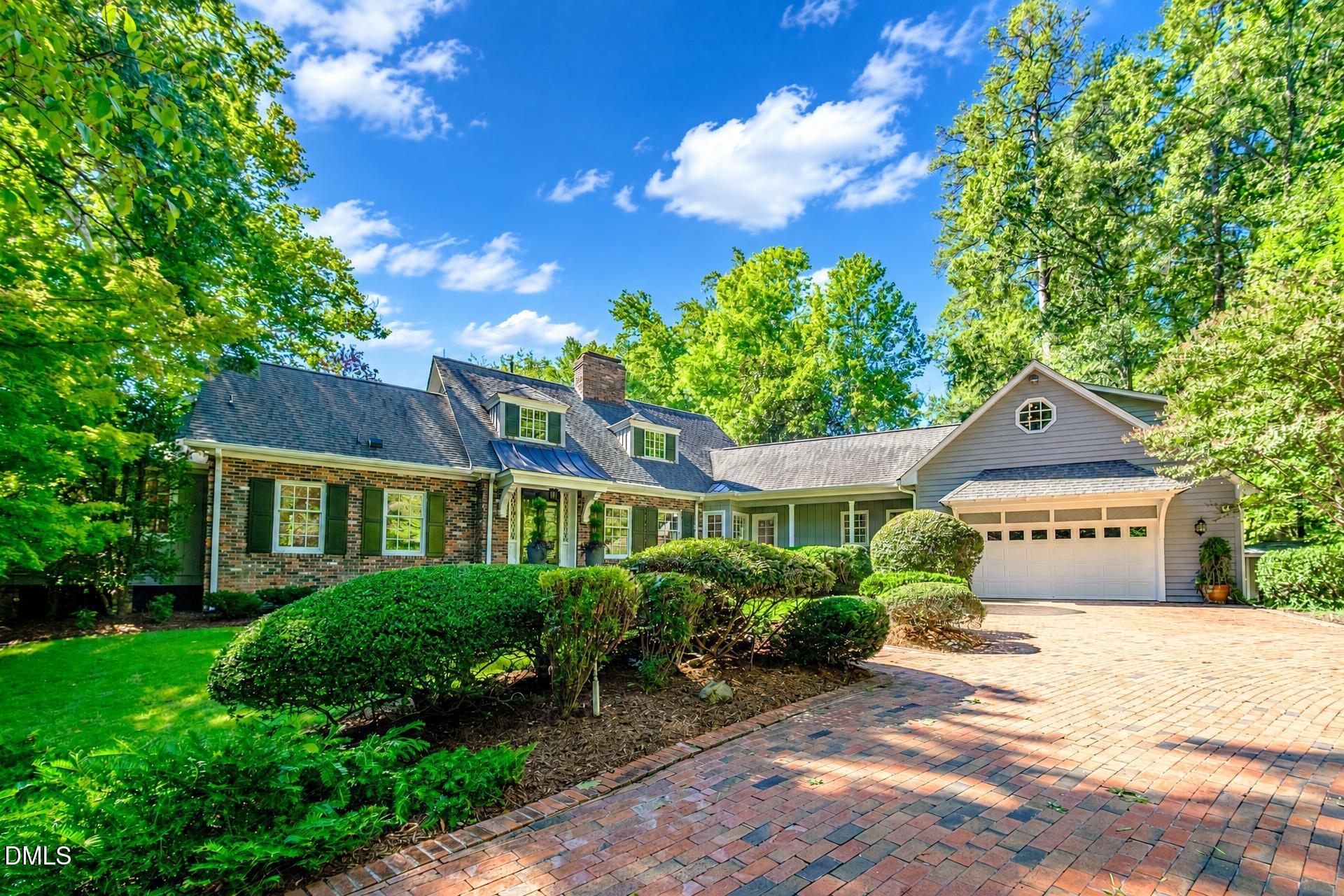
Chapel Hill and the surrounding Chatham County market offer one of the Triangle’s most diverse luxury real estate environments. Buyers can choose among gated golf estates, established country-club neighborhoods, walkable village communities, historic residences near UNC, newer custom construction, wooded homesites, and acreage properties near Jordan Lake.
These markets are closely connected, but they are not interchangeable. A Chapel Hill mailing address may place a property in Orange County, Chatham County, the Town of Chapel Hill, an unincorporated area, or another jurisdictional context. That can affect taxes, school assignment, development rules, utilities, association structure, and long-term resale positioning.
At The May Team, we evaluate luxury real estate property by property—considering exact location, county and municipal context, homesite, builder and construction quality, architecture, renovation level, amenities, club structure, outdoor living, current competition, and the buyer profile most likely to value what makes the property distinctive.
Whether you are considering selling a luxury home in Chapel Hill or Chatham County, or searching for your next property, understanding these differences is essential to making an informed decision.
Luxury in Chapel Hill and Chatham County extends beyond price. The upper end of the market includes properties whose value may be driven by architecture, scarcity, land, location, club affiliation, golf-course positioning, renovation quality, new construction, privacy, or proximity to UNC and Jordan Lake.
Luxury properties may include:
A renovated historic residence near UNC should not be valued the same way as a newer custom estate in Chatham County or a golf-course property in Governors Club. The relevant competitive set changes with the property.
“In Chapel Hill and Chatham County, the address alone does not tell the whole story. County, jurisdiction, homesite, architecture, renovation quality, club or HOA structure, proximity to UNC, golf positioning, new-construction competition, acreage, and privacy can all materially influence value. Our job is to identify the correct competitive market for the individual property before developing a pricing or acquisition strategy.”
The May Team
Hodge & Kittrell Sotheby’s International Realty
A Chapel Hill postal address does not always answer the questions that matter most in a real estate decision. Luxury buyers and sellers should identify the exact county, municipality or unincorporated area, school assignment, tax structure, utility system, HOA or POA, and planning jurisdiction for the individual property.
This is particularly important along the Orange–Chatham boundary and in communities marketed with a Chapel Hill address but governed by Chatham County rules or associations.
Price per square foot can be useful as a reference, but it rarely captures the full value equation in this market. The May Team evaluates factors including:
County, town limits, tax structure, school assignment, utilities, and planning jurisdiction can influence both buyer demand and resale positioning.
Acreage, topography, mature trees, golf or lake orientation, open-space adjacency, views, and lot usability can materially affect value.
Custom construction, architectural distinction, builder reputation, historic character, and replacement cost all influence buyer perception.
Kitchen and bath quality, flooring, lighting, mechanical systems, windows, roof, and the quality of renovations can create large value differences between otherwise similar homes.
In locally regulated historic districts, exterior changes may require review. Documentation, restoration quality, and compatibility with historic character can affect both marketability and future renovation plans.
Golf-course relationship, club access, membership costs, and the distinction between property ownership and club privileges can materially affect the buyer decision.
Pools, spas, screened porches, outdoor kitchens, terraces, fireplaces, landscaping, and privacy are major differentiators in the luxury segment.
Established resale properties often compete directly with newer custom homes in Chatham County, making finish level, energy performance, layout, and replacement cost relevant to pricing.
Luxury buyers compare the property not only with recent sales, but with what they can purchase today across Chapel Hill, Chatham County, Durham, and other Triangle luxury markets.
Selling an upper-tier property in this market requires more than placing the home in MLS. Luxury buyers may compare a Governors Club estate against a renovated home near UNC, newer construction in Chatham County, a country-club residence in The Oaks, or a larger property near Jordan Lake.
Successful positioning begins by identifying what is genuinely difficult to reproduce about the property. That may include:
The marketing strategy should make those advantages understandable to buyers immediately and should address foreseeable objections before they become negotiation leverage.
We begin with the property itself. We review the residence, parcel, location, jurisdiction, homesite, improvements, association or club structure, and available supporting documentation to identify both market advantages and potential buyer objections.
We evaluate recent comparable sales while also studying active and pending listings competing for the same buyer across the relevant Chapel Hill, Chatham County, Durham, and Triangle luxury segments. The objective is to identify the correct buyer decision set—not merely the nearest houses.
Luxury presentation begins before photography. Depending on the property, preparation may include:
Every property should have a visual strategy based on what makes it distinctive. That may include:
The objective is not simply to document every room. It is to create a coherent story explaining why this property is different from what the buyer can purchase elsewhere.
The May Team combines local market strategy with the reach and brand recognition of Hodge & Kittrell Sotheby’s International Realty and the Sotheby’s International Realty network. Exposure may include:
Luxury marketing is most effective when sophisticated presentation and targeted distribution work together.
A seller’s objective is not merely to achieve an attractive headline sales price.
Purchase price is only one component of that calculation. Seller proceeds can also be affected by:
For that reason, The May Team evaluates an offer as a complete financial and contractual package rather than focusing on one number in isolation.
The highest offer is not automatically the strongest offer. Our goal is to structure, negotiate, and protect the transaction with the seller’s target net proceeds and broader objectives in mind.
There are three different numbers sellers often hear:
The upper end supported by its distinctive features and market opportunity.
The range indicated by comparable transactions and competing inventory.
The number most likely to produce the desired balance of exposure, leverage, timing, and net proceeds.
Those figures are not always identical. The objective is not to recommend the highest listing price simply to secure the listing. It is to establish a strategy designed to produce the strongest result at closing.
Luxury buyers face a different challenge: homes that look comparable online may represent fundamentally different ownership experiences once location, jurisdiction, homesite, architecture, club structure, renovation quality, and future resale considerations are examined closely.
The May Team helps buyers evaluate:
The objective is not simply to find an attractive home. It is to understand what you are buying, what obligations and opportunities come with it, and how it compares with the alternatives available to you.
Upper-end and luxury properties can be found in Governors Club, The Oaks, Meadowmont, Southern Village, The Preserve at Jordan Lake, Westfall, portions of Governors Village and Lake Hogan Farms, historic central Chapel Hill, and custom or acreage settings throughout Chatham County. The right community depends on whether a buyer prioritizes golf, privacy, architecture, walkability, newer construction, acreage, or proximity to UNC.
No. Governors Club is a gated private-club and golf community built around a 27-hole Jack Nicklaus Signature course. Governors Village is a separate group of six residential neighborhoods in Chatham County. The similar names can be confusing, so buyers should evaluate them as distinct markets.
Yes. Governors Club is the area’s best-known gated private golf community. The Oaks is closely associated with Chapel Hill Country Club, and The Preserve at Jordan Lake offers a semi-private Davis Love III Signature course. Club membership, access, and costs should be verified directly for each property and club.
Yes. Chatham County includes golf communities, custom homes, acreage properties, and newer construction within the broader Jordan Lake area. Jordan Lake is a public state recreation resource; proximity does not automatically provide private waterfront ownership, dock rights, or direct access.
A mailing address does not necessarily determine county, municipal jurisdiction, schools, taxes, utilities, zoning, or association structure. Those factors can influence both daily ownership and resale value, so they should be verified for the specific parcel.
Locally regulated historic districts may require review for certain exterior changes, additions, demolition, or other visible alterations. Buyers should understand the property’s exact historic status, applicable design standards, prior approvals, and renovation documentation before planning major work.
Not by itself. Luxury values may be influenced significantly by exact location, homesite, architecture, golf or club positioning, historic character, renovation quality, acreage, new-construction competition, outdoor living, and privacy. A property-to-property comparison is generally more informative.
Time on market can vary substantially by price range, location, condition, architecture, competition, and buyer-pool depth. Luxury inventory should be analyzed separately from the overall market and segmented by the property’s actual competitive category.
Not necessarily. Some improvements can improve buyer perception and return, while others may cost more than the market will reward. Before undertaking a major renovation, sellers should evaluate competing inventory, buyer expectations, timing, property condition, and probable return. In some situations, professional preparation, paint, lighting, landscape improvements, staging, and targeted repairs have greater impact than a major remodel.
Luxury sellers should evaluate experience with comparable properties, understanding of Chapel Hill and Chatham County submarkets, pricing methodology, architectural and homesite analysis, quality of photography and video, property positioning, digital distribution, broker-to-broker outreach, communication, negotiation experience, and the ability to protect seller net proceeds rather than focusing only on a headline sales price.
Purchase price is only one component. A strong offer should also be evaluated for financing, due diligence, contingencies, concessions, repair exposure, appraisal risk, closing timing, and the seller’s estimated net proceeds. The strongest offer may not always be the offer with the highest initial price.
The May Team approaches luxury real estate as both a property-marketing discipline and a financial strategy.
Our work begins with understanding the property, the seller’s objectives, the relevant competitive market, and the buyer most likely to value what makes the home distinctive.
Whether you are selling a gated golf estate, historic residence, custom acreage property, newer luxury home, or distinctive Chapel Hill property, our objective is the same:
Before determining a listing price, we believe sellers should understand three things:
The May Team provides confidential luxury property consultations for homeowners considering a sale in Chapel Hill, Chatham County, and the surrounding Triangle luxury market.
Explore current luxury properties throughout Chapel Hill and Chatham County, including gated golf estates, country-club residences, historic homes, custom construction, acreage properties, village-oriented luxury, and Jordan Lake-area opportunities.
109,873 people live in Chapel Hill & Chatham County Luxury Real Estate, where the median age is 34.8 and the average individual income is $61,956. Data provided by the U.S. Census Bureau.
Total Population
Median Age
Population Density Population Density This is the number of people per square mile in a neighborhood.
Average individual Income
Chapel Hill & Chatham County Luxury Real Estate has 40,458 households, with an average household size of 2.4. Data provided by the U.S. Census Bureau. Here’s what the people living in Chapel Hill & Chatham County Luxury Real Estate do for work — and how long it takes them to get there. Data provided by the U.S. Census Bureau. 109,873 people call Chapel Hill & Chatham County Luxury Real Estate home. The population density is 895 and the largest age group is Data provided by the U.S. Census Bureau.
Total Population
Population Density Population Density This is the number of people per square mile in a neighborhood.
Median Age
Men vs Women
Population by Age Group
0-9 Years
10-17 Years
18-24 Years
25-64 Years
65-74 Years
75+ Years
Education Level
Total Households
Average Household Size
Average individual Income
Households with Children
With Children:
Without Children:
Marital Status
Blue vs White Collar Workers
Blue Collar:
White Collar:
Discover the personalized service, market expertise, and proven strategies that help our clients achieve exceptional results.