Downtown & Historic Wake Forest
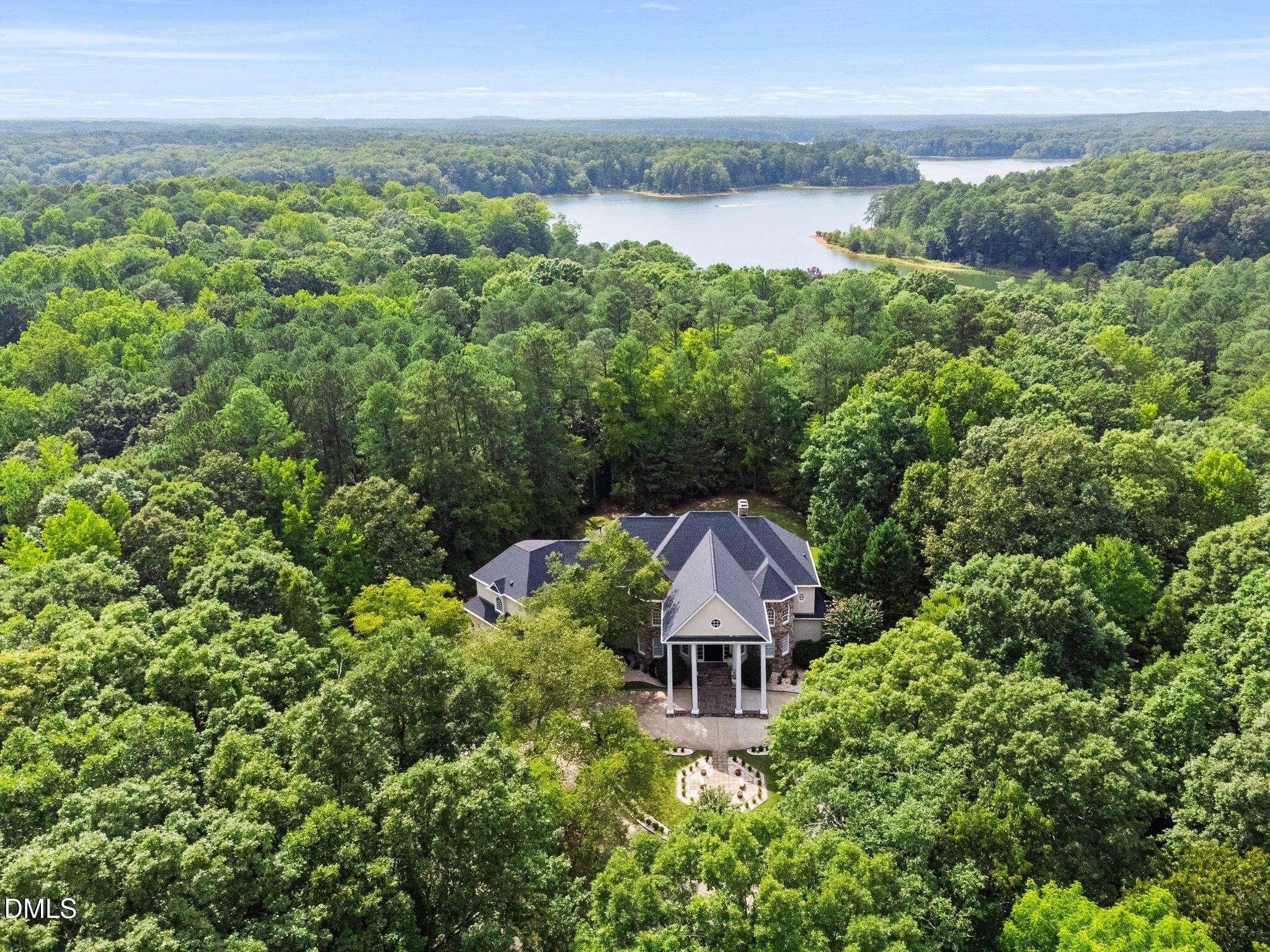
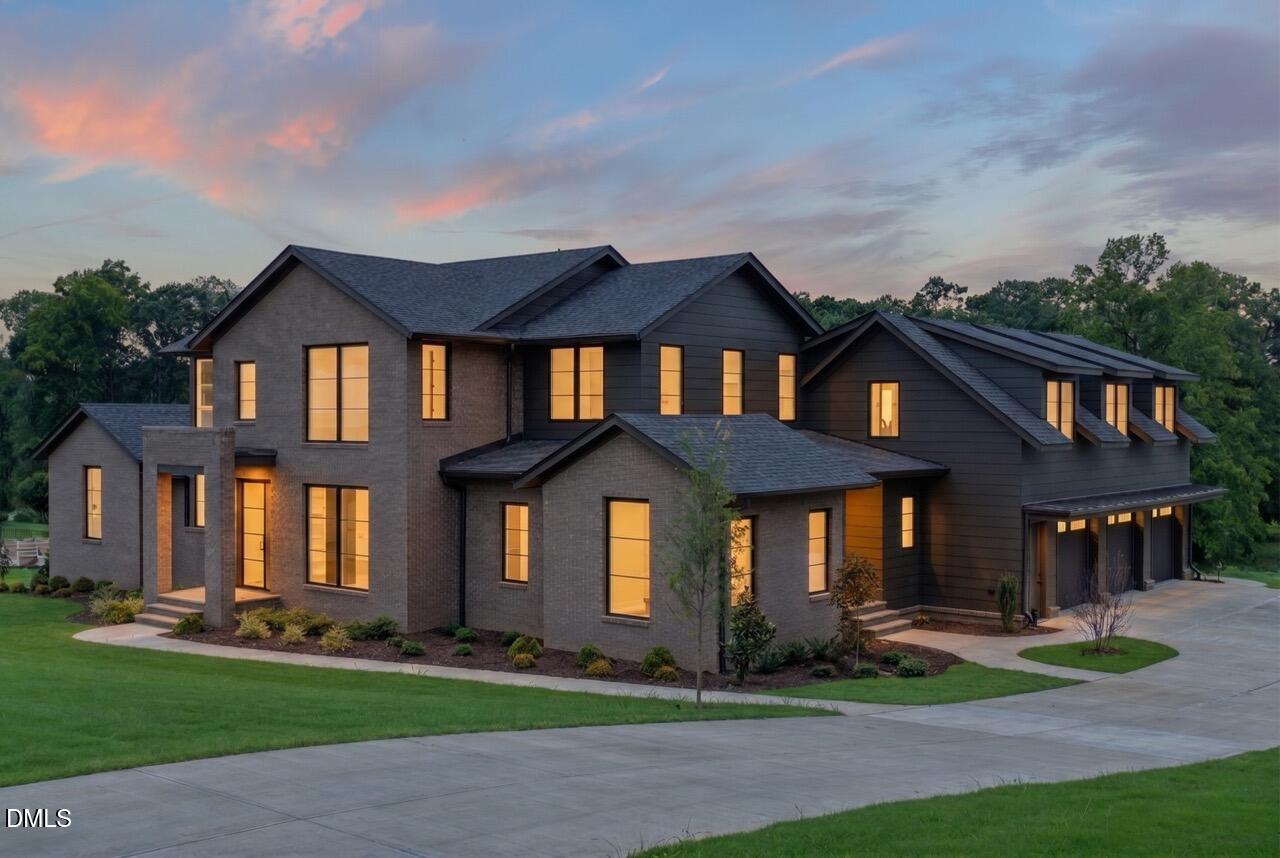
Luxury around Downtown Wake Forest is expressed differently than in the area’s golf and estate communities.
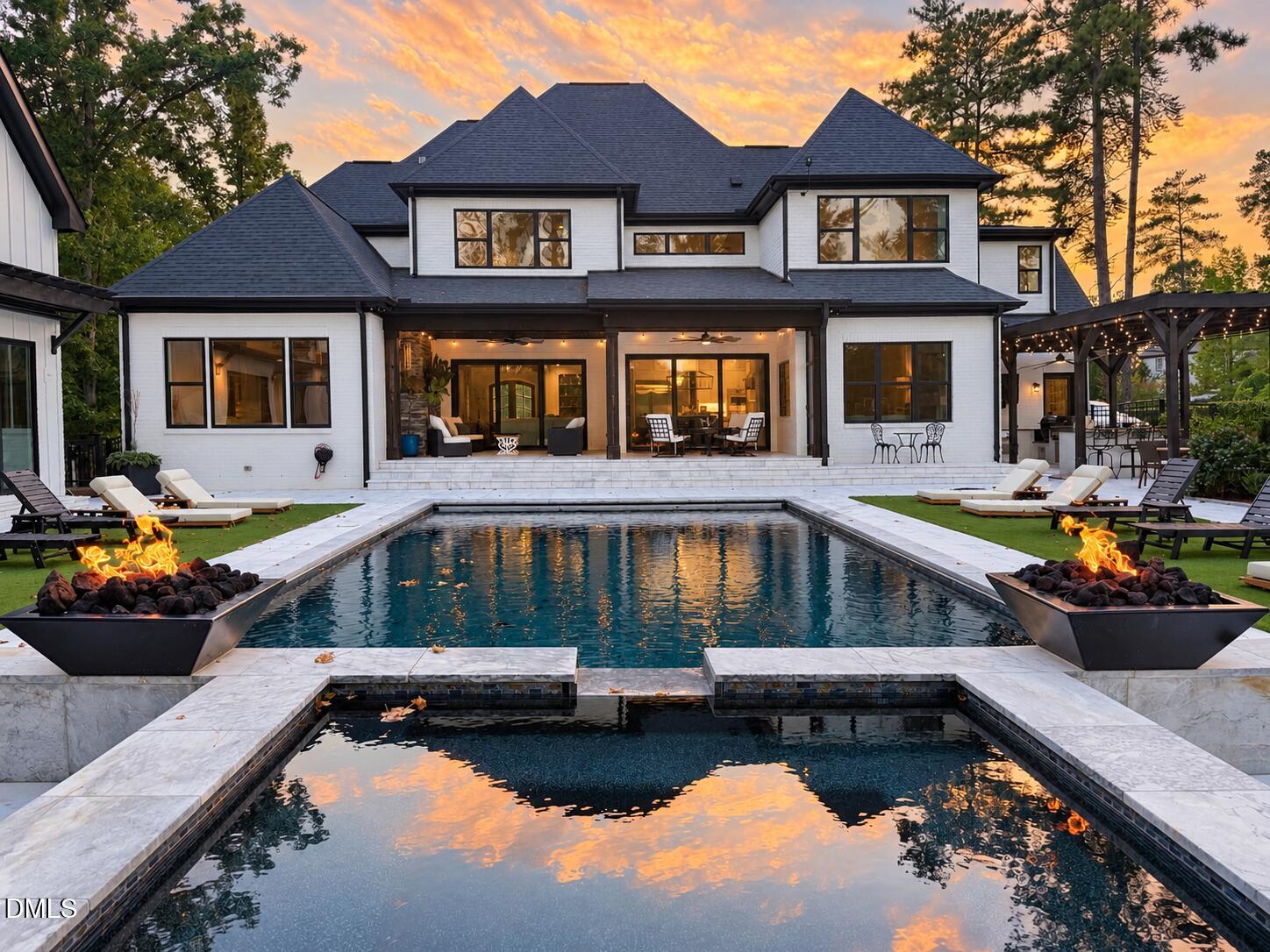
Luxury around Downtown Wake Forest is expressed differently than in the area’s golf and estate communities.
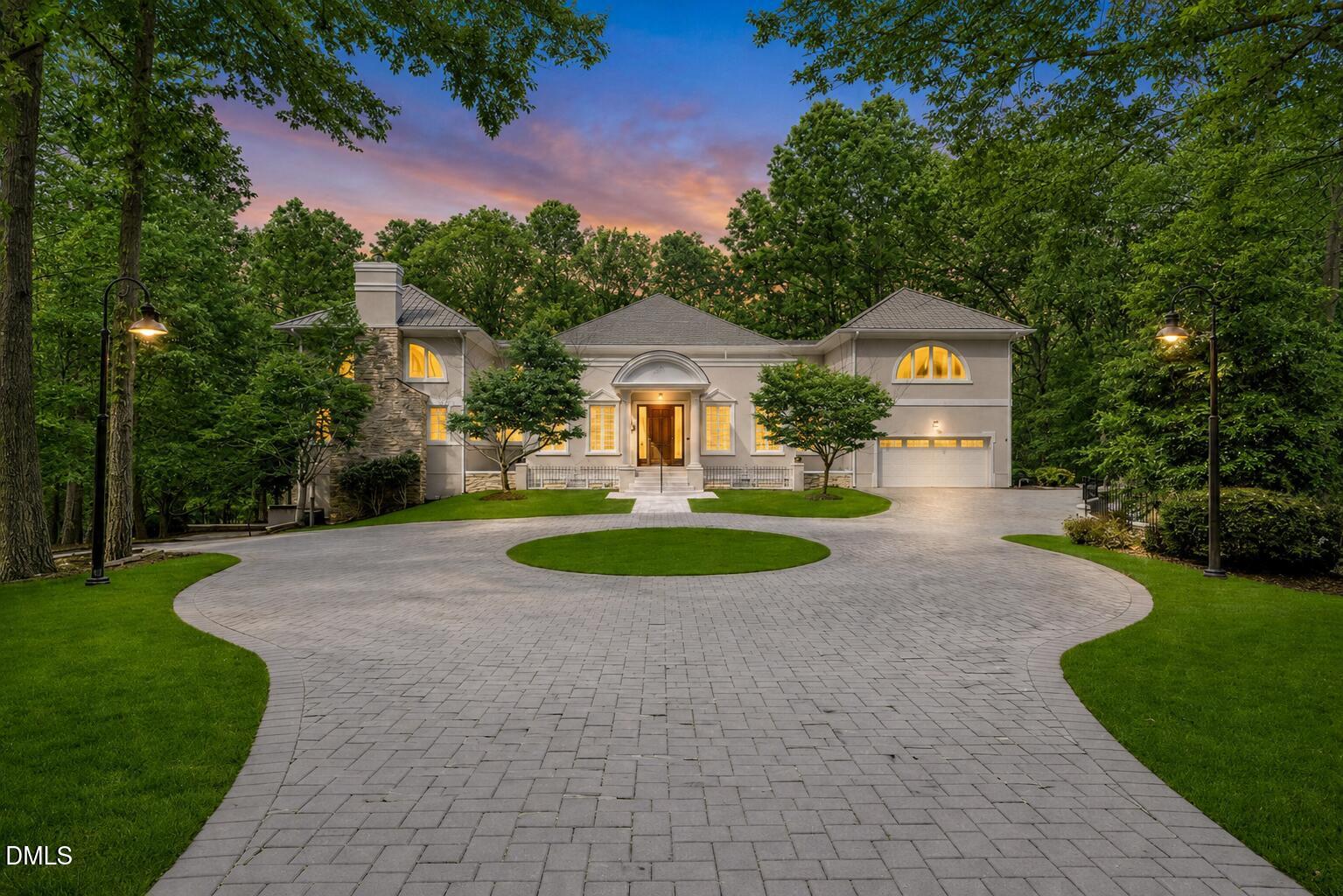
Luxury around Downtown Wake Forest is expressed differently than in the area’s golf and estate communities.
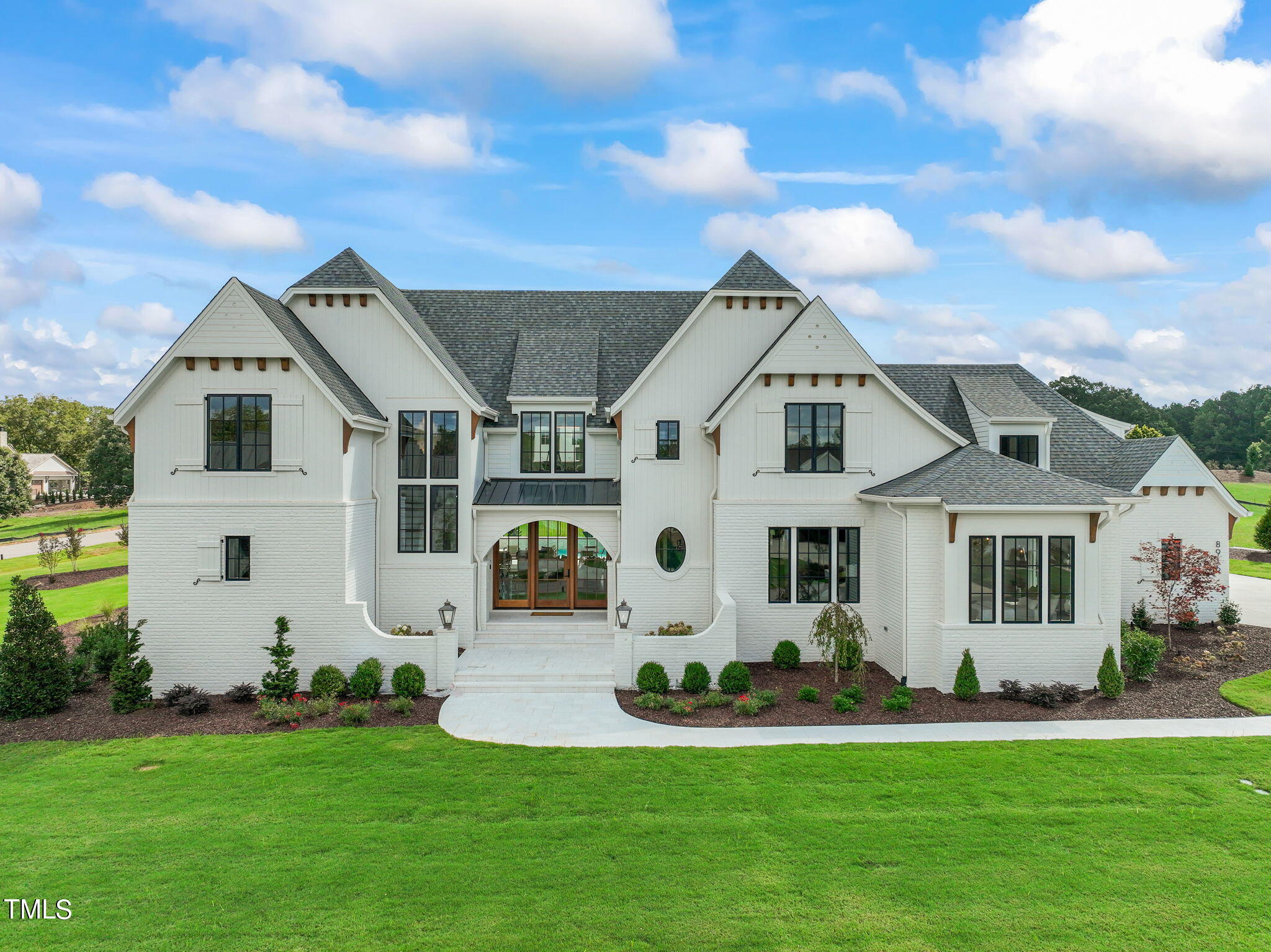
Here, value may be driven by scarcity, architecture, restoration quality, craftsmanship, land, walkability, and proximity to the historic commercial center.
Wake Forest includes both locally regulated and National Register historic areas, along with established residential streets and selective infill development.
Renovated older homes and architecturally distinctive properties can appeal to buyers who prioritize character and location over conventional subdivision amenities.
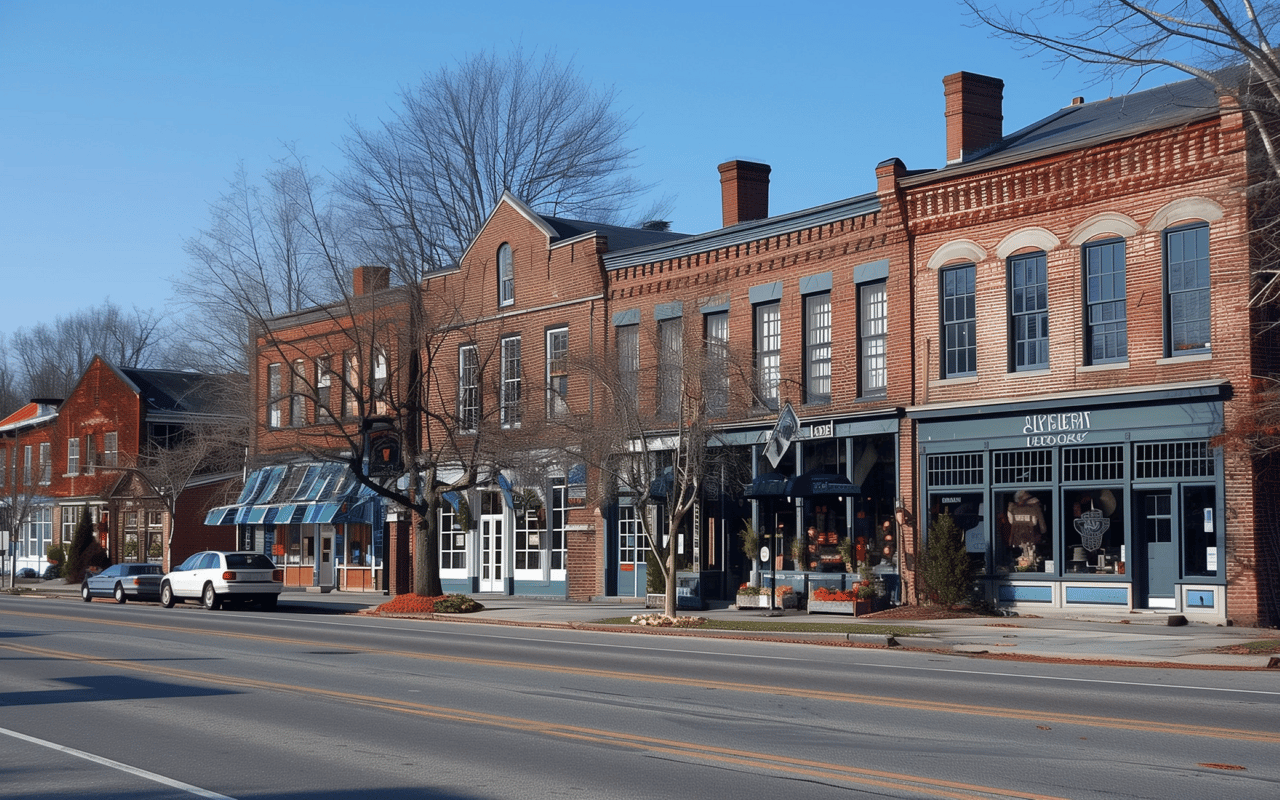
Downtown provides access to independent restaurants, coffee shops, boutiques, community events, the Farmers Market, and cultural programming.
Exterior alterations to properties located within a locally regulated historic district may be subject to historic preservation requirements.
Town / historic-district webpages: wakeforestnc.gov | Historic Districts
81,902 people live in Downtown & Historic Wake Forest, where the median age is 40.8 and the average individual income is $55,532. Data provided by the U.S. Census Bureau.
Total Population
Median Age
Population Density Population Density This is the number of people per square mile in a neighborhood.
Average individual Income
Downtown & Historic Wake Forest has 29,199 households, with an average household size of 2.77. Data provided by the U.S. Census Bureau. Here’s what the people living in Downtown & Historic Wake Forest do for work — and how long it takes them to get there. Data provided by the U.S. Census Bureau. 81,902 people call Downtown & Historic Wake Forest home. The population density is 779 and the largest age group is Data provided by the U.S. Census Bureau.
Total Population
Population Density Population Density This is the number of people per square mile in a neighborhood.
Median Age
Men vs Women
Population by Age Group
0-9 Years
10-17 Years
18-24 Years
25-64 Years
65-74 Years
75+ Years
Education Level
Total Households
Average Household Size
Average individual Income
Households with Children
With Children:
Without Children:
Marital Status
Blue vs White Collar Workers
Blue Collar:
White Collar:
Discover the personalized service, market expertise, and proven strategies that help our clients achieve exceptional results.