Downtown & Urban Luxury
It has historically been dominated by single-family homes, but the urban segment is becoming more important.
It has historically been dominated by single-family homes, but the urban segment is becoming more important.
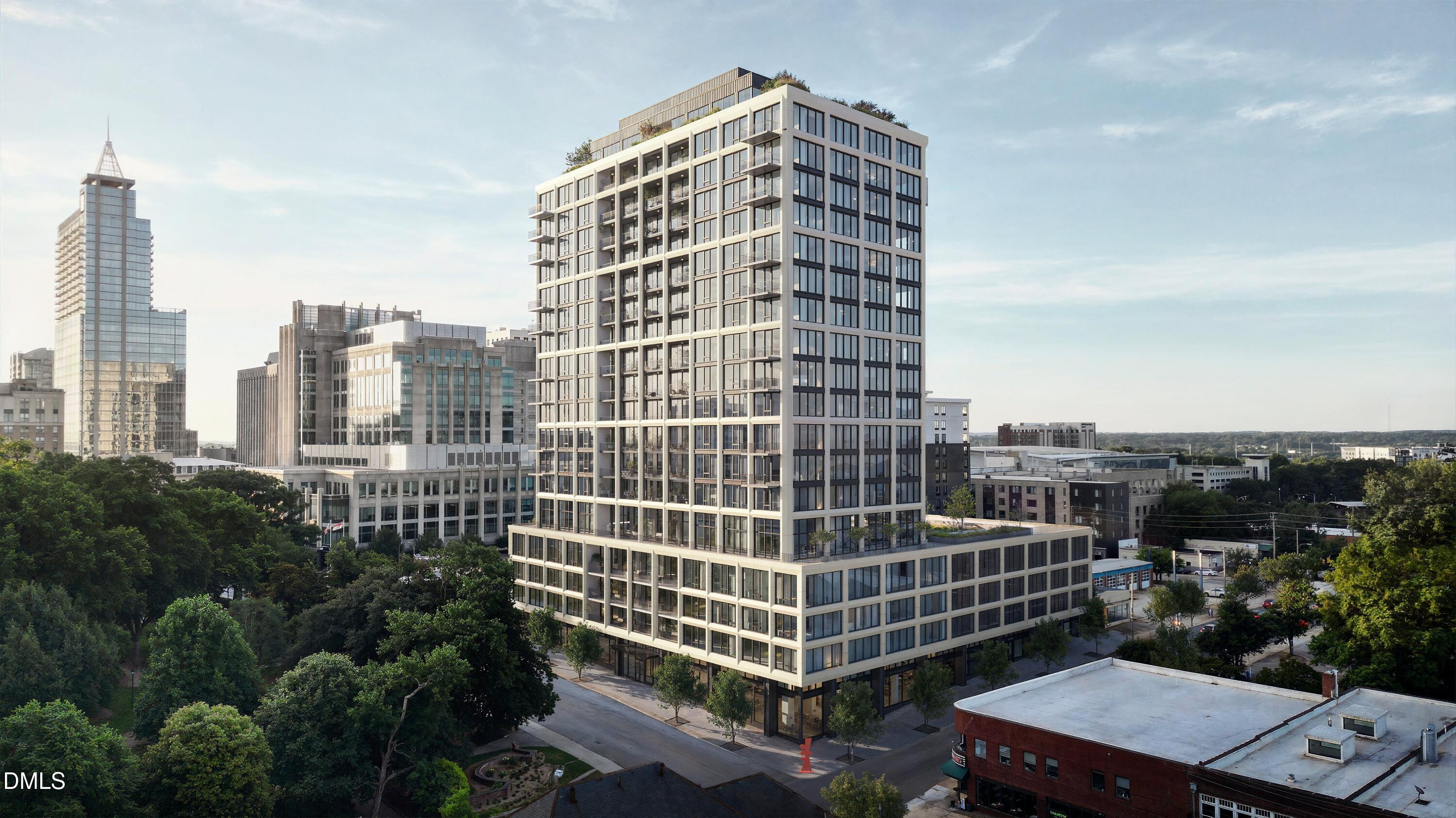
Raleigh’s luxury market has historically been dominated by single-family homes, but the urban segment is becoming more important. High-end condominium ownership offers a different proposition: walkability, skyline or park views, amenities, concierge-style convenience, and a lock-and-leave lifestyle.
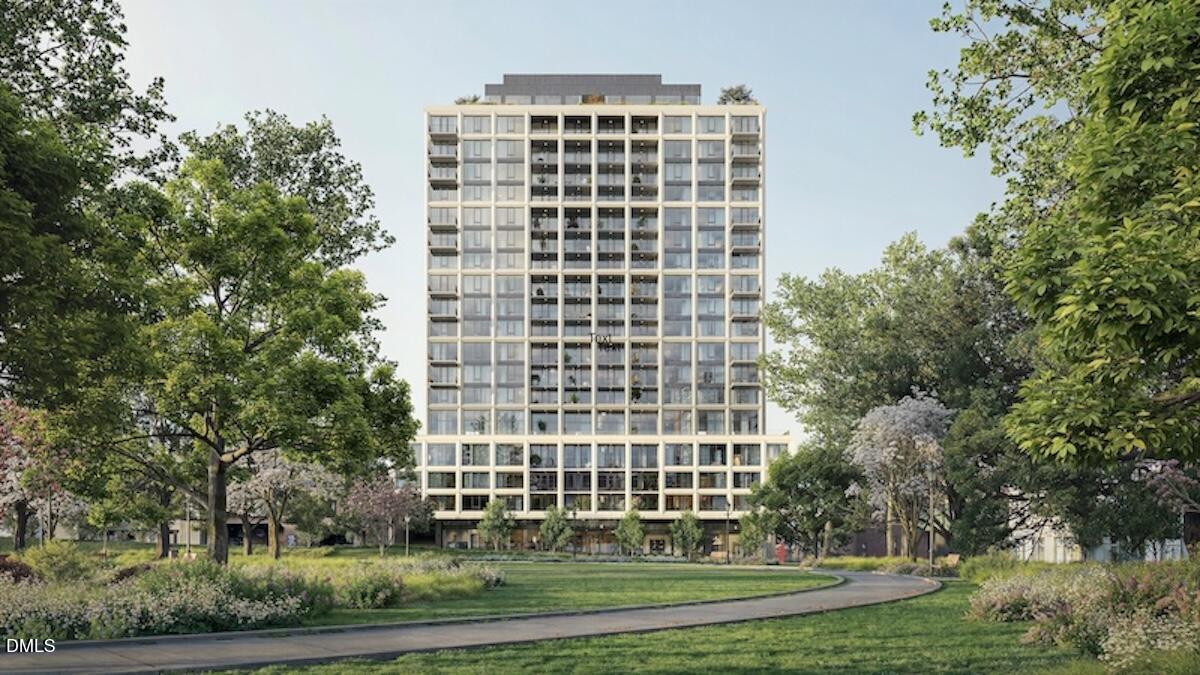
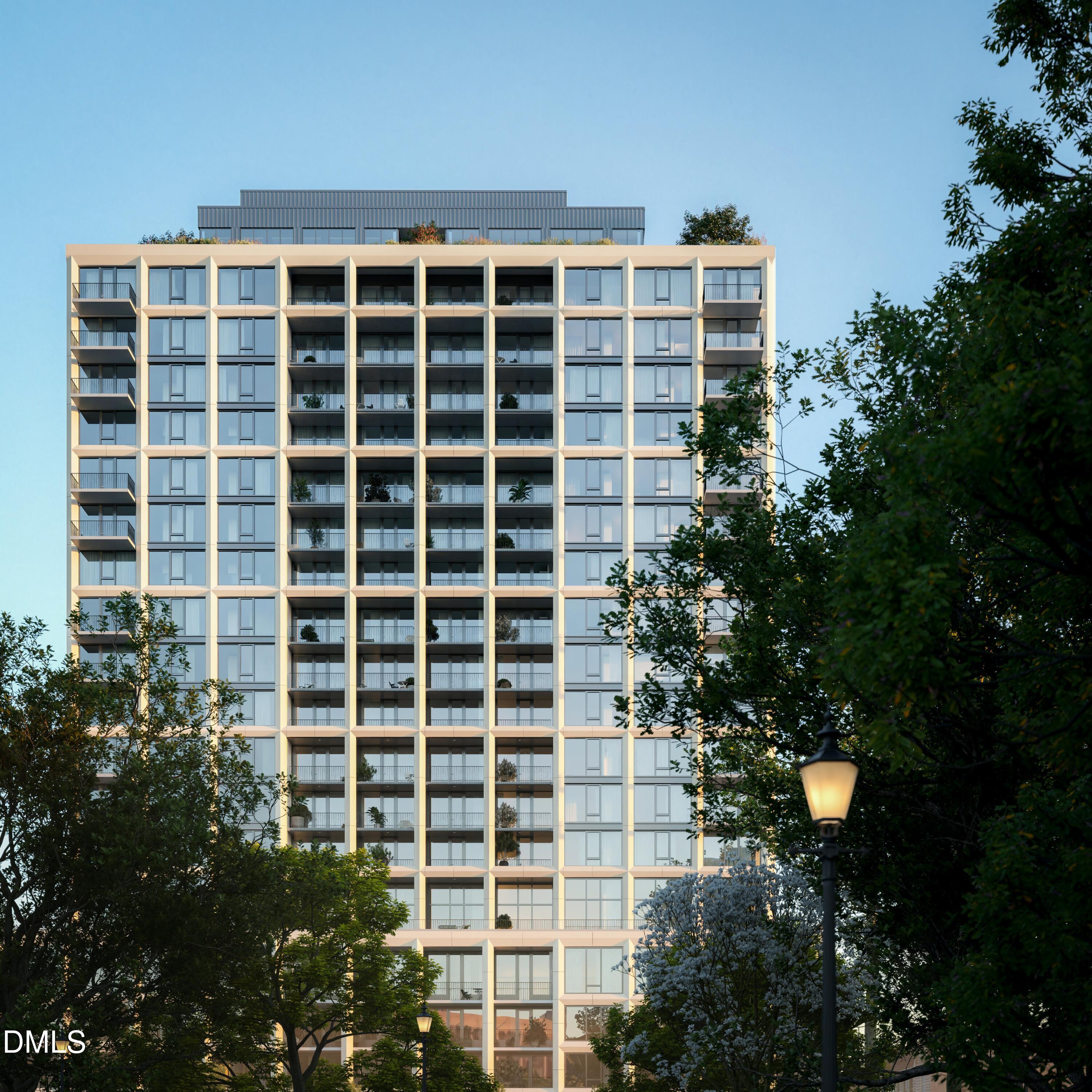
One Nash Square is an important example of this shift, bringing a purpose-built luxury condominium project to Downtown Raleigh overlooking Nash Square.
One Nash Square: onenashsquare.com/ — Official project website.
Raleigh Country Club, east of Downtown, provides another private-club anchor in the city. The surrounding residential market is not as uniformly luxury-oriented as the neighborhoods around Carolina Country Club, but select custom, historic and renovated properties may appeal to buyers who value proximity to the Donald Ross-designed club and central Raleigh.
Raleigh Country Club: raleighcc.com/ — Official private-club website.
Raleigh luxury valuation is highly submarket-specific. The same purchase price can buy very different products across ITB, Midtown, North Raleigh and downtown.
ITB scarcity, North Hills convenience, North Raleigh privacy, golf positioning and downtown walkability each attract different buyer pools.
Lot size, frontage, topography, privacy, mature trees, golf frontage, outdoor usability and future surrounding development can materially affect value.
Historic architecture, custom design, builder reputation, replacement construction and overall craftsmanship matter significantly at the upper end.
Luxury buyers distinguish sharply between cosmetic updating and comprehensive renovation of kitchens, bathrooms, systems, windows, roofing, layout and outdoor living.
In areas such as North Hills Estates, Drewry Hills, North Ridge and North Raleigh, resale homes may compete directly with newly constructed custom residences.
Pools, covered porches, outdoor kitchens, landscaping, sport courts, spas, garages and entertaining environments can create substantial differentiation.
Golf-course proximity does not automatically include club membership. Membership rights, waiting lists and fees are separate considerations that should be verified directly with the club.
A National Register district and a local Historic Overlay District are not the same. Local designation can require design review for certain exterior work; property status should be verified before making claims.
9,702 people live in Downtown & Urban Luxury, where the median age is 31.8 and the average individual income is $54,688. Data provided by the U.S. Census Bureau.
Total Population
Median Age
Population Density Population Density This is the number of people per square mile in a neighborhood.
Average individual Income
Downtown & Urban Luxury has 4,275 households, with an average household size of 1.88. Data provided by the U.S. Census Bureau. Here’s what the people living in Downtown & Urban Luxury do for work — and how long it takes them to get there. Data provided by the U.S. Census Bureau. 9,702 people call Downtown & Urban Luxury home. The population density is 5,335 and the largest age group is Data provided by the U.S. Census Bureau.
Total Population
Population Density Population Density This is the number of people per square mile in a neighborhood.
Median Age
Men vs Women
Population by Age Group
0-9 Years
10-17 Years
18-24 Years
25-64 Years
65-74 Years
75+ Years
Education Level
Total Households
Average Household Size
Average individual Income
Households with Children
With Children:
Without Children:
Marital Status
Blue vs White Collar Workers
Blue Collar:
White Collar:
Discover the personalized service, market expertise, and proven strategies that help our clients achieve exceptional results.