Historic & Architectural
The upper end is defined by scale, restoration quality, architectural significance, lot, parking/garage solutions and proximity to Downtown Raleigh.
The upper end is defined by scale, restoration quality, architectural significance, lot, parking/garage solutions and proximity to Downtown Raleigh.
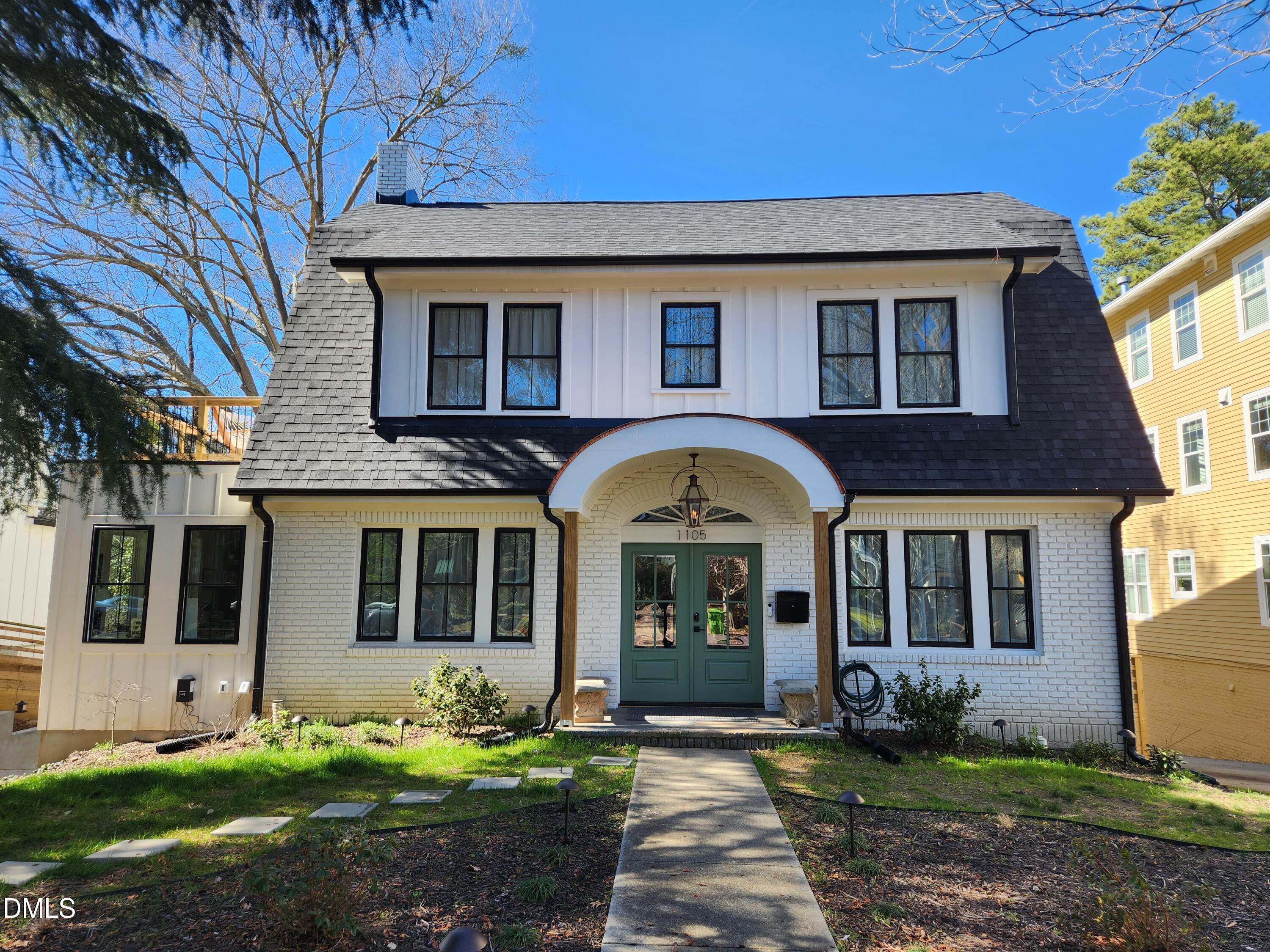
Raleigh’s luxury market also includes homes whose value is driven less by subdivision amenities and more by architecture, restoration quality, history, and location.
Historic Oakwood contains Raleigh’s largest collection of nineteenth-century Victorian-era dwellings and an unusually broad range of architectural styles. The upper end is defined by scale, restoration quality, architectural significance, lot, parking/garage solutions and proximity to Downtown Raleigh.
Oakwood historic district: raleighnc.gov/planning/services/oakwood-historic-district — Official City of Raleigh reference.
Boylan Heights is one of Raleigh’s earliest planned suburban neighborhoods and is known for curving streets and Craftsman architecture. Luxury here is expressed through architecture, renovation quality, location and scarcity rather than large estate-scale homesites.
Boylan Heights historic district: raleighnc.gov/planning/services/boylan-heights-historic-district — Official City of Raleigh reference.
The area commonly known today as Forest Park corresponds to the historic district still identified by the City of Raleigh as the Cameron Park Historic District. It represents a highly established close-in residential environment near NC State, the Village District and central Raleigh.
For luxury buyers, architectural quality, renovation, lot, parking and proximity to central Raleigh are more important than subdivision amenities.
City historic district reference: raleighnc.gov/planning/services/cameron-park-historic-district — Official City page retains the historic-district name Cameron Park.
Glenwood-Brooklyn offers historic character and an unusually close relationship to Glenwood South and Downtown Raleigh. Select renovated and architecturally significant properties can occupy the upper end of the close-in market.
Glenwood-Brooklyn historic overlay district: raleighnc.gov/planning/services/glenwood-brooklyn-historic-overlay-district — Official City of Raleigh reference.
44,094 people live in Historic & Architectural, where the median age is 37.2 and the average individual income is $42,530. Data provided by the U.S. Census Bureau.
Total Population
Median Age
Population Density Population Density This is the number of people per square mile in a neighborhood.
Average individual Income
Historic & Architectural has 18,572 households, with an average household size of 2.35. Data provided by the U.S. Census Bureau. Here’s what the people living in Historic & Architectural do for work — and how long it takes them to get there. Data provided by the U.S. Census Bureau. 44,094 people call Historic & Architectural home. The population density is 2,305 and the largest age group is Data provided by the U.S. Census Bureau.
Total Population
Population Density Population Density This is the number of people per square mile in a neighborhood.
Median Age
Men vs Women
Population by Age Group
0-9 Years
10-17 Years
18-24 Years
25-64 Years
65-74 Years
75+ Years
Education Level
Total Households
Average Household Size
Average individual Income
Households with Children
With Children:
Without Children:
Marital Status
Blue vs White Collar Workers
Blue Collar:
White Collar:
Discover the personalized service, market expertise, and proven strategies that help our clients achieve exceptional results.