Inside the Beltline (ITB)
It is not one subdivision and it should not be marketed as though every ITB neighborhood is equivalent.
It is not one subdivision and it should not be marketed as though every ITB neighborhood is equivalent.
“Inside the Beltline,” commonly abbreviated ITB, generally refers to Raleigh’s established central neighborhoods within the I-440 Beltline. It is not one subdivision and it should not be marketed as though every ITB neighborhood is equivalent.
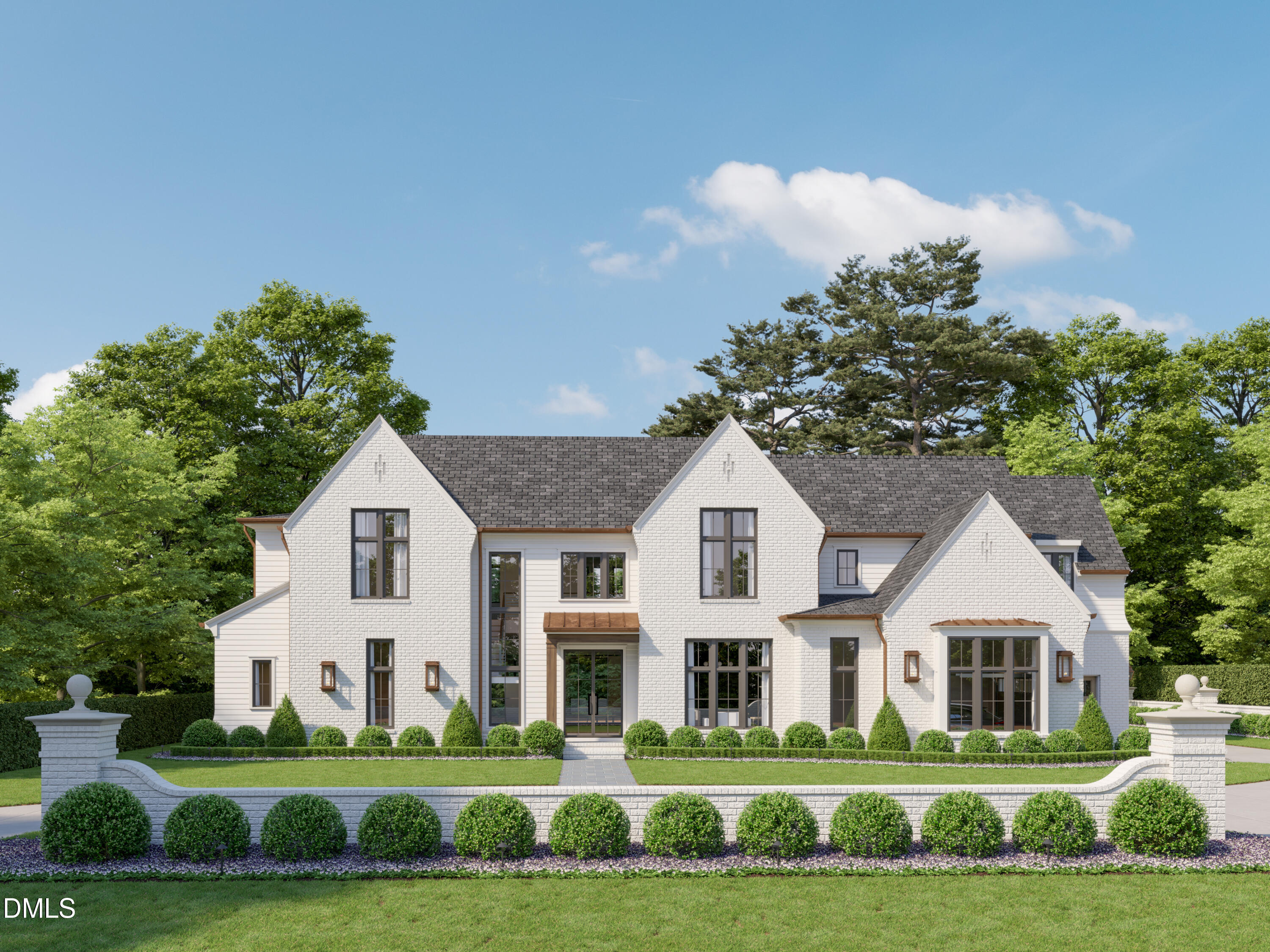
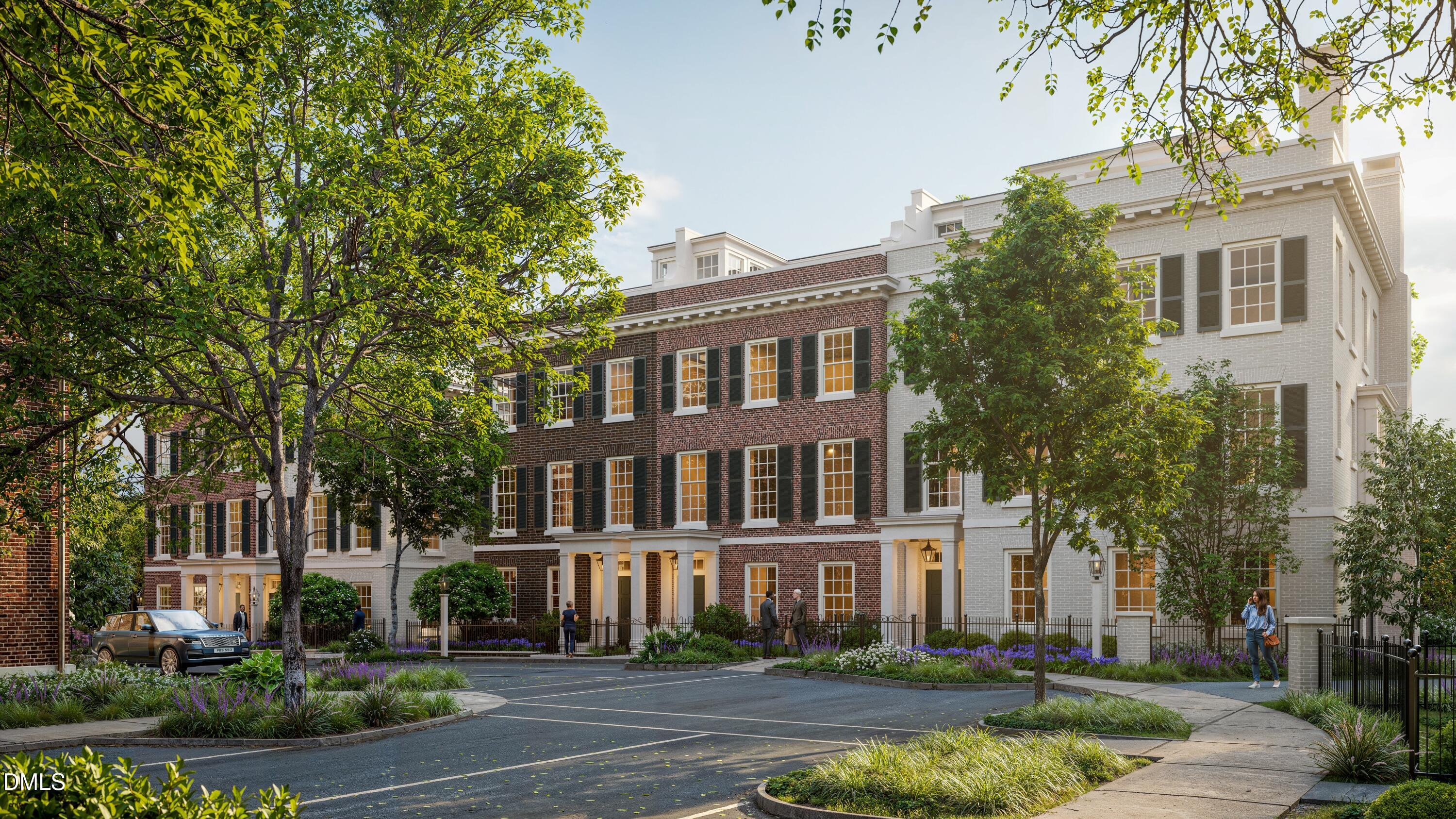
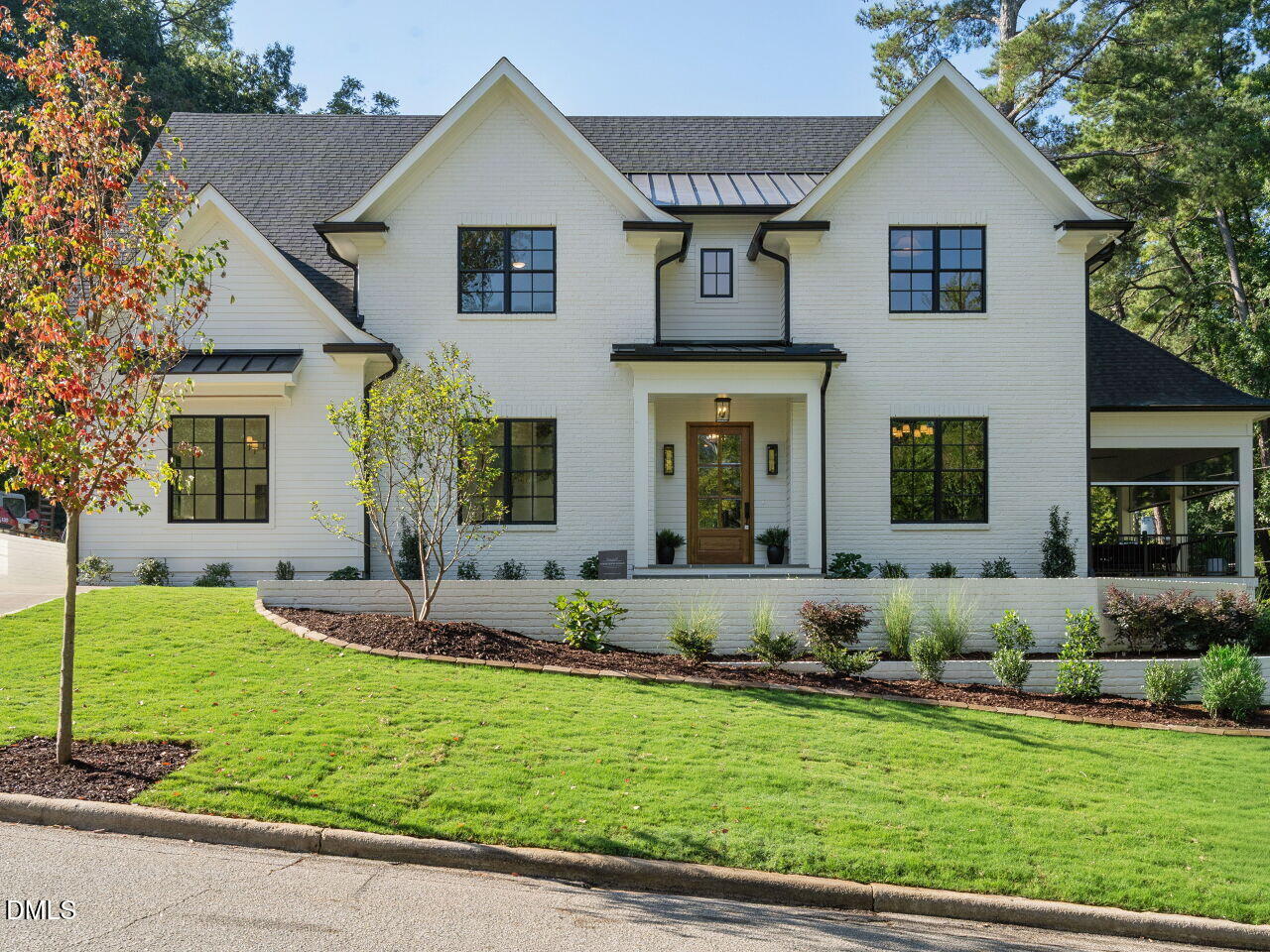
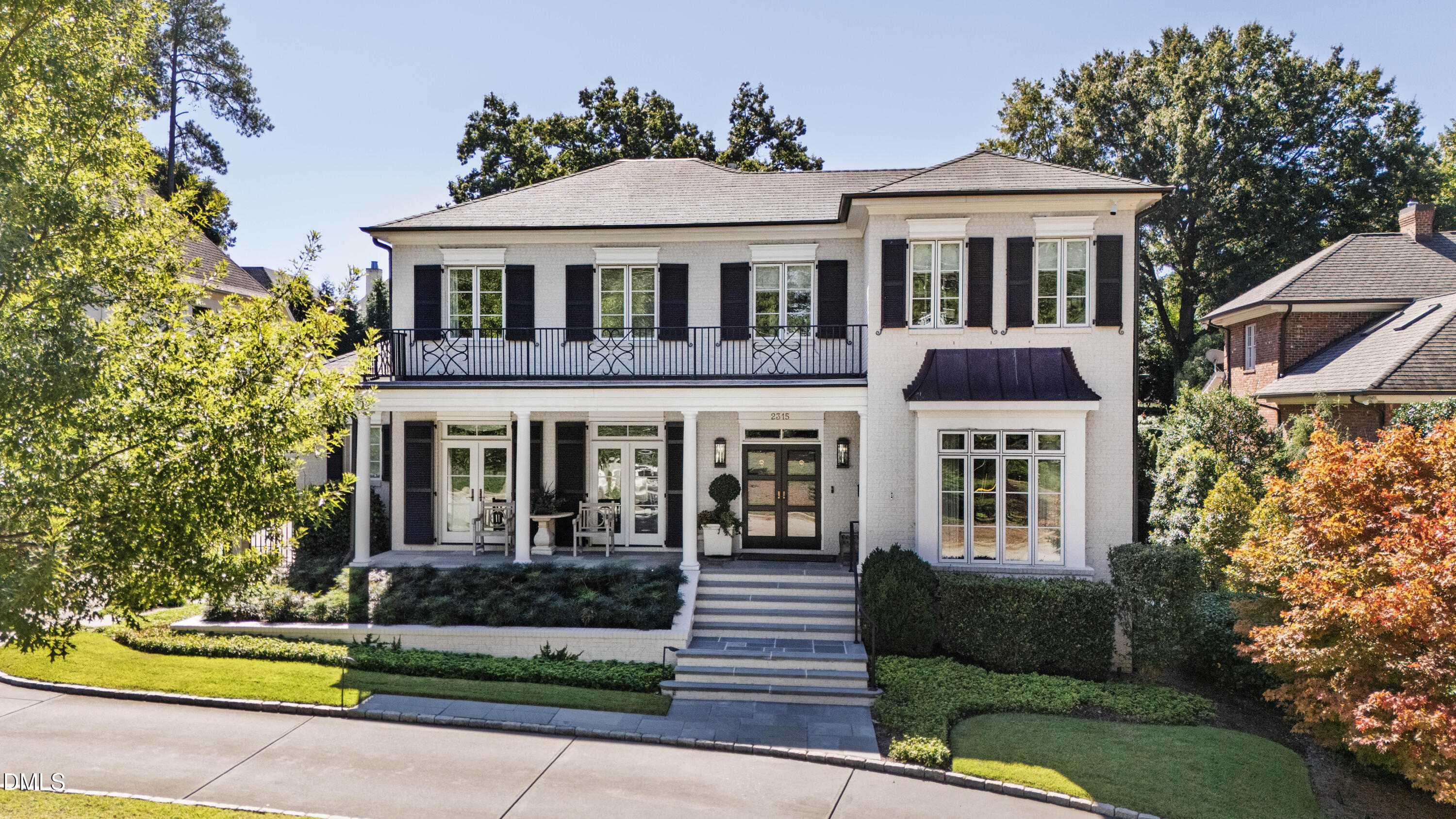
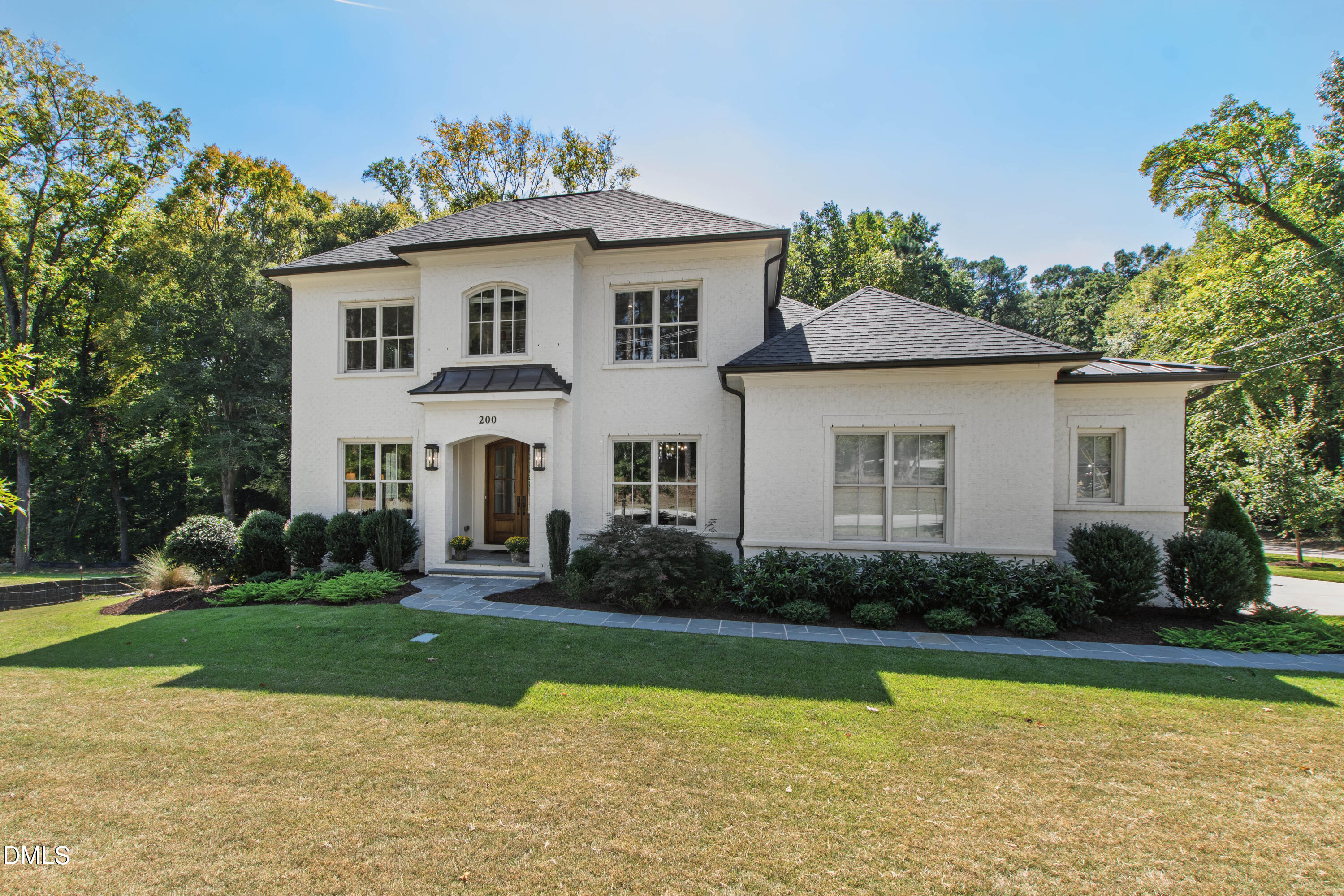
The luxury appeal of ITB is driven by scarcity, mature landscaping, architectural character, proximity to Downtown Raleigh and Midtown, access to established clubs and cultural institutions, and the ability to combine an older neighborhood setting with substantial renovation or new custom construction.
Lot dimensions can be smaller than in North Raleigh estate communities, so buyers often place a greater premium on location, architecture, renovation quality, streetscape, and the relationship between the home and its immediate neighborhood.
Hayes Barton is one of Raleigh’s defining luxury neighborhoods and one of the clearest examples of why ITB properties cannot be valued using citywide averages. Its curving streets, mature landscaping, substantial lots, and concentration of early-20th-century architecture create a residential environment that is difficult to reproduce through new subdivision development.
Luxury inventory ranges from carefully renovated historic homes to major additions and select new construction. Architectural integrity, renovation quality, lot position, square footage, garage configuration, and proximity to Five Points and Carolina Country Club can create substantial differences in value.
City historic district reference: raleighnc.gov/planning/services/hayes-barton-historic-district — Official City of Raleigh reference.
Country Club Hills occupies one of Raleigh’s most established luxury settings along and near Carolina Country Club. The neighborhood combines mature landscaping, mid-century and traditional residences, renovated homes, and increasingly sophisticated custom replacement construction.
For many buyers, the value proposition is the combination of a quiet residential environment and exceptional central Raleigh access. Golf-course adjacency, lot orientation, renovation quality, architecture, and proximity to the club can materially affect value.
Neighborhood website: countryclubhillsneighborhood.org/ — Neighborhood reference.
Carolina Country Club: carolinacc.net/ — Official private-club website; membership is separate from real-property ownership.
Budleigh is a mature ITB neighborhood known for tree-lined streets, established homes, and close proximity to Carolina Country Club, Five Points and the broader Glenwood Avenue corridor. The area has increasingly attracted substantial renovations and high-end replacement construction.
Budleigh East adds a newer luxury-infill component, bringing contemporary floor plans and higher-end finishes into a deeply established central Raleigh setting.
Budleigh neighborhood website: budleighneighborhood.org/ — Neighborhood reference.
Five Points is best understood as a collection of established neighborhoods surrounding the intersection of Glenwood Avenue, Fairview Road and Whitaker Mill Road. Its housing ranges from modest historic cottages and bungalows to substantial renovated homes, new infill and luxury residences.
For luxury buyers, the most important distinction is property-specific. Hayes Barton represents the most consistently high-end segment, while Bloomsbury, Roanoke Park, Vanguard Park and surrounding streets can offer architectural character and close-in location at varying scales and price points.
Bloomsbury historic district: raleighnc.gov/planning/services/bloomsbury-historic-district — Official City of Raleigh reference.
Roanoke Park historic district: raleighnc.gov/planning/services/roanoke-park-historic-district — Official City of Raleigh reference.
Vanguard Park historic district: raleighnc.gov/planning/services/vanguard-park-historic-district — Official City of Raleigh reference.
Drewry Hills sits between Raleigh’s established ITB character and the rapidly evolving North Hills/Midtown market. Its appeal comes from mature streets, larger established homesites in many locations, and exceptional access to North Hills, Five Points, the Village District and central Raleigh.
The neighborhood includes original mid-century residences, major renovations, and increasingly high-end custom infill. Because the housing stock is highly varied, value should be analyzed by lot, renovation/new-construction quality and immediate street context.
12,522 people live in Inside the Beltline (ITB), where the median age is 40.6 and the average individual income is $94,317. Data provided by the U.S. Census Bureau.
Total Population
Median Age
Population Density Population Density This is the number of people per square mile in a neighborhood.
Average individual Income
Inside the Beltline (ITB) has 5,262 households, with an average household size of 2.36. Data provided by the U.S. Census Bureau. Here’s what the people living in Inside the Beltline (ITB) do for work — and how long it takes them to get there. Data provided by the U.S. Census Bureau. 12,522 people call Inside the Beltline (ITB) home. The population density is 3,629 and the largest age group is Data provided by the U.S. Census Bureau.
Total Population
Population Density Population Density This is the number of people per square mile in a neighborhood.
Median Age
Men vs Women
Population by Age Group
0-9 Years
10-17 Years
18-24 Years
25-64 Years
65-74 Years
75+ Years
Education Level
Total Households
Average Household Size
Average individual Income
Households with Children
With Children:
Without Children:
Marital Status
Blue vs White Collar Workers
Blue Collar:
White Collar:
Discover the personalized service, market expertise, and proven strategies that help our clients achieve exceptional results.