Downtown Apex's September Runs on Two Different Festivals, Not One
Hunter Street closed to cars from 6 a.m. to 8 p.m. on September 19. Cannoli judges took their seats at the Galbani Culinary Stage. GoApex Route 1 ran a detour. By the time the eighth annual Festa Italiana North Carolina wrapped at 7 p.m., a portion of the day's proceeds were headed to ALS United North Carolina, and the Town Hall parking lot that had been closed since midnight Saturday was open again.
A week later, on September 26, nothing on Hunter Street closed. No detour, no street-closure notice, no midnight lot shutdown. The Latino Arts Festival ran from 3 to 7 p.m. at Town Hall, produced with the cultural advisory group Fiesta Cristiana, and the whole footprint stayed inside the Town Hall grounds.
Anyone who treated these as the same kind of event, just with a different theme, would have encountered the wrong logistics on the day. They are not run the same way, funded the same way, or staffed the same way, and the difference tells you something real about how downtown Apex actually produces its calendar.
Festa Italiana is a community-organized event. The Town of Apex provides the location, the public safety staff, and the public works support, but Festa Italiana North Carolina, a registered 501(c)3, runs it, pays for it, and plans it. That's why it comes with the trappings of an independent production: a named beneficiary, a sponsored music stage, alcohol sold and consumed only within a defined festival boundary, and a note that this year's footprint sits outside the downtown social district, so anyone carrying a social-district cup has to finish it before crossing in.
The Latino Arts Festival is the opposite structure. It's Town-organized, meaning Town of Apex staff creates it, pays for it, and manages the programming, the vendors, and the logistics directly. Fiesta Cristiana serves as the cultural advisory partner, not the event operator. There's no separate nonprofit filing, no named external beneficiary, no ticketed stage sponsor. It's a town department producing a cultural program on town property during business hours, which is also why it doesn't need a six-hour street closure or a transit detour. Everything happens inside the Town Hall campus at 73 Hunter Street.
Neither structure is better. They're just different tools for different jobs, and downtown Apex schedules them a week apart.
Across the two weekends, the organizational split translated into very different practical details:
The practical difference was between blocking off a whole Saturday and treating a festival as one stop in a longer afternoon.
Both events happen within the same few blocks because downtown Apex's commercial core is small enough that a nonprofit street festival and a town department program can each claim the same real estate in the same month without permanently displacing anything else. That scale is also what made room, back in March, for one of the more specific new business stories downtown has had all year.
Western Wake NC reported that Popovers Cafe opened at 219 N. Salem Street on March 13, inside the Salem Street Promenade building, in a space that used to be a women's clothing boutique. Owners Mustafa and Juliette Ozturk had to install a kitchen where a dressing room used to be. Juliette grew up watching her grandmother make the same egg-based popover batter on weekend mornings in upstate New York. Mustafa, who is originally from Turkey, said downtown Apex was the specific area he wanted to invest in. The menu includes a bourbon caramel apple filling and a savory version with spinach, sun-dried tomato, and gruyere. The beverage list pairs a Turkish tea blend that includes Rize tea with tableside pourover coffee made from a house blend roasted by Peak City Coffee.
A cafe with a distinctive menu opening in a former dress shop is the kind of thing that only fits in a downtown where commercial space turns over often enough to notice and is small enough that a new tenant becomes a landmark within months. That's the same smallness that lets a 501(c)3 street festival and a Town Hall cultural program fall a week apart on the calendar without either one crowding the other out.
Popovers Cafe keeps daily hours from 7 a.m. to 3 p.m., making it a daytime option downtown. The existing downtown restaurant lineup along and just off Salem Street offers more options within the same few blocks: The Provincial, Scratch Kitchen & Taproom, JD's Tavern on West Williams Street, and TapStation on South Salem Street are all within easy walking distance of both Town Hall and the Salem Street Promenade building.
Hispanic Heritage Month programming at the Halle Cultural Arts Center, at 237 N. Salem Street, continues past the Latino Arts Festival's single afternoon, including a "Spider Stories" event on the Halle's calendar. The month's programming isn't contained to one four-hour window at Town Hall. It runs on its own separate schedule at a venue two blocks away.
The two festivals aren't a blurred "festival season." They're two distinct productions, run by two distinct organizations, with two distinct sets of rules about parking, alcohol, and timing, and they happen to fall a week apart on a downtown small enough to host both without either one taking over the whole month.
If you're weighing what it actually feels like to live near a downtown that runs this many overlapping events on this small a footprint, from festival week logistics to a new cafe changing hands in a former boutique, The May Team knows Historic Downtown Apex block by block and is glad to talk through what that means for day to day life here.
This article is general information, not legal, tax or financial advice. Consult a qualified professional about your situation.
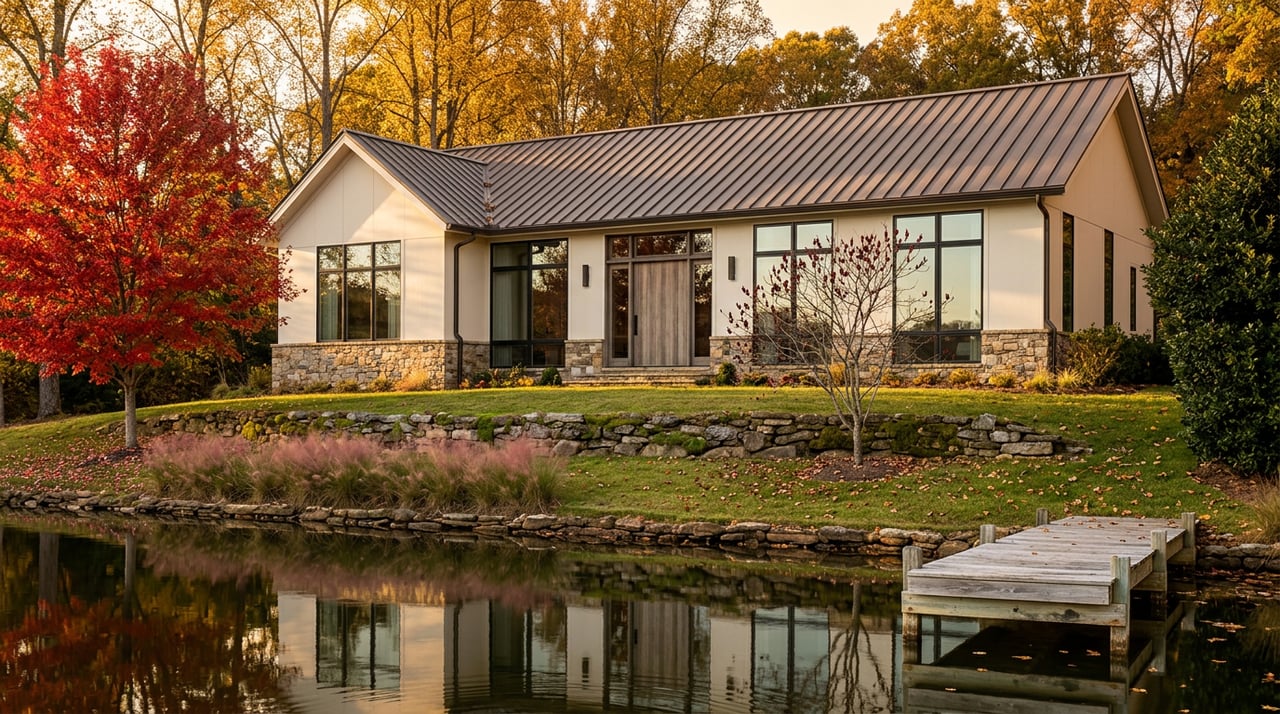
A handful of nearby trails give you the same late-season color from solid ground.

Beyond aesthetics, driveways provide practical value that buyers appreciate.
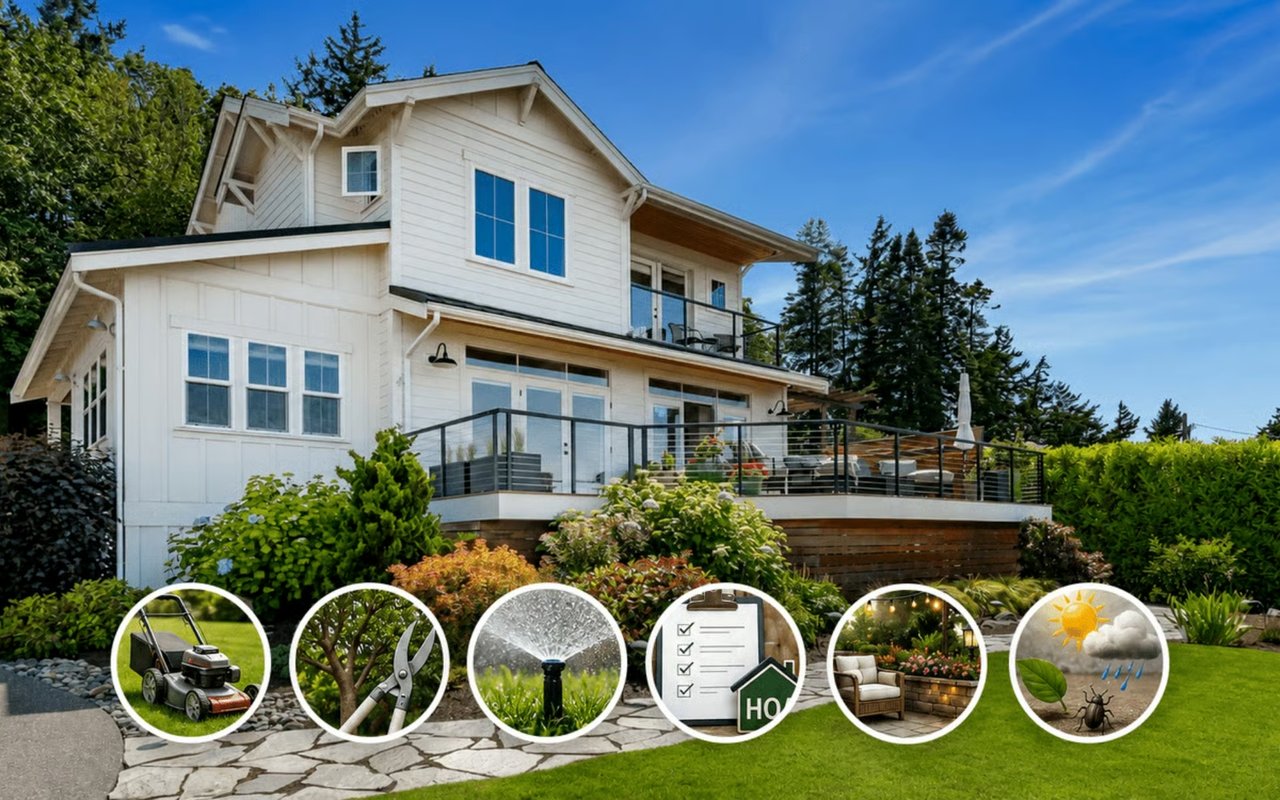
Landscaping plays a major role in a home's appearance, value, and enjoyment.

One of the easiest ways to refresh a room is with a coat of paint.
Discover the personalized service, market expertise, and proven strategies that help our clients achieve exceptional results.