
Safety Tips to Keep Your House Safe During A Renovation
Whether you'll be working on small upgrades to simply refresh your space this summer, or diving into a major remodel before listing your home for sale, remember that preparation is key. It’s important to take a step back and plan before kicking off your long-planned renovation.

From properly storing your valuables to securing your home against theft, take note of these simple yet effective tips to protect your space, your sanity, and your biggest investment to avoid costly repairs later on.

Before diving into any remodeling project, whether you're hiring a contractor or going DIY, it’s important to understand its full scope. Begin by deciding whether you are staying at home or moving out, especially for large-scale renovations. Identify areas of your home that will be exposed to risks and block these off with signs, barriers, and tape. Let your household know about any potential risks, and make sure to keep children and pets away from work areas.
Consider the potential hazards, including dust, debris, or heavy equipment, and how these could impact your home and belongings. Before the crew starts working, relocate essential furniture and items to a different room for convenient access. Having a solid plan of action in place and setting realistic expectations before a remodel is the best way to minimize stress and disarray throughout the project.

Relocate items that may be in the way and properly store fragile items to prevent damage during remodeling. For delicate items such as glassware, ceramics, electronics, art, and other keepsakes, wrap each item carefully and pack them in sturdy boxes designed for moving. Clearly label each box with its contents and add a “fragile” note to ensure careful handling. Find a safe room for storage or consider renting a self-storage unit as a temporary solution.

Keeping a detailed inventory is essential for insurance purposes and for tracking any potential damage. Document all items in the remodeling area, noting their condition and location. Take photos as well to serve as a visual record. Update your inventory as items are moved or stored. This organized approach will not only keep your belongings safe but also help you easily identify and address any issues that arise during or after the remodel, providing you with peace of mind during the entire project.

Your home is more vulnerable to theft and trespassing while the renovation is ongoing. So if you have the means to, tighten up your security or invest in a home security system so you can have peace of mind, especially when you're not around.
Install CCTV cameras, motion light sensors, and alarms for better monitoring. Make sure to securely lock rooms where valuable items are stored, and that only you or a trusted family member has the keys to prevent unauthorized access. Moreover, make sure someone is there to receive the deliveries of tools and materials, and have them stored in a safe place until needed.

After securing your property and belongings and before starting the renovation, it's also important to take precautions against fire hazards. Test fire alarms and carbon monoxide detectors to guarantee that they’re working. Likewise, make sure to keep fire extinguishers near areas where any electrical or flammable materials will be used.
Use protective covers to shield parts of your home that are prone to scratches, dents, spills, and other damage that could occur during the renovation. This includes floors, countertops and surfaces, corners and door frames, appliances, and other high-traffic areas.

While construction dust and fumes are unavoidable, they can be hazardous. This is why it's vital to take extra precautions to help maintain a cleaner environment and safeguard your belongings from dust-related damage. Start by sealing off the work areas with plastic sheeting and tape to prevent dust from spreading to other parts of your home. Don’t forget to cover doorways, vents, and windows as well.
Using air purifiers with HEPA filters is a must to help reduce airborne particles and keep the air cleaner. Regularly sweep, dust, and vacuum the affected areas to minimize dust buildup, especially at the end of each workday. Using a HEPA-filter vacuum cleaner is better to trap fine particles, as standard vacuums will only blow them back into the air.

Effective communication is crucial when hiring contractors to do the remodeling work. Since they will be constantly coming and going into your home, it can feel like an invasion of your personal space. Start by setting work hours so there's no confusion about when crews should be on-site.
Never hand out physical copies of your house keys. If possible, use smart locks with temporary codes that you can disable when the project is done. Likewise, discuss any specific instructions for handling or accessing any valuable items. Setting clear expectations with your contractors from the get-go can help prevent misunderstandings and ensure that the process remains professional.

A thorough cleanup plan is essential at the end of each day and after completing your remodel to ensure your house and belongings stay in good condition. Wipe down surfaces with a damp cloth and vacuum with a HEPA filter. Mist plastic sheeting with water before removal to prevent dust from being airborne again.
Once renovation is completed, take extra measures to effectively remove any remaining dust, debris, and construction materials. Check your area's local regulations for proper and safe disposal of hazardous materials. Carefully assess all your belongings for damage or residue that may have accumulated during the project. If there’s some wiggle room in your budget, inquire about post-renovation cleaning services to help restore your home in its pre-remodel state so you can focus on enjoying your newly-renovated space.

Beyond aesthetics, driveways provide practical value that buyers appreciate.

Landscaping plays a major role in a home's appearance, value, and enjoyment.

One of the easiest ways to refresh a room is with a coat of paint.

This is the amount you pay upfront, usually a percentage of the home's purchase price.
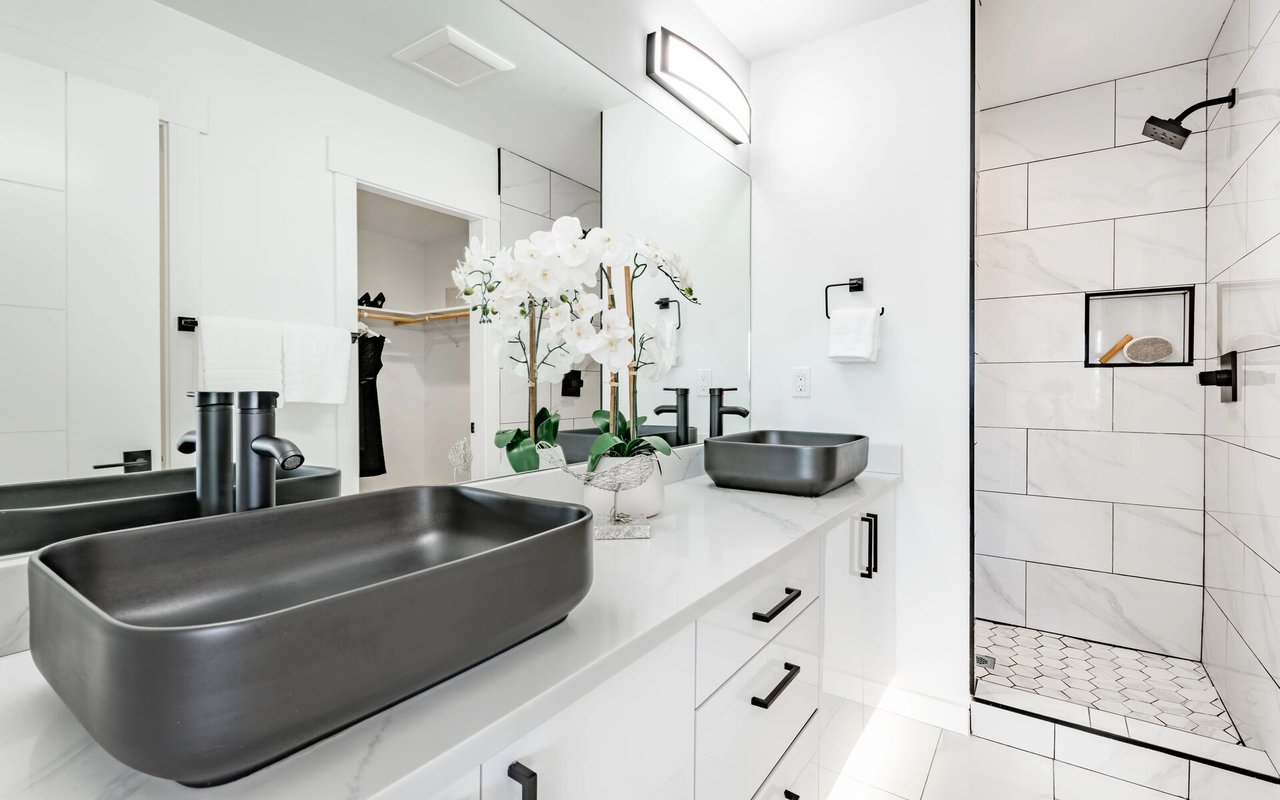
As with the kitchen, the bathroom plays a huge role in making a good impression on home buyers.

Even if you’re not putting 20 percent down, we’re still talking about saving thousands of dollars.

Statistically, homes surrounded by offenders receive fewer and lower offers.
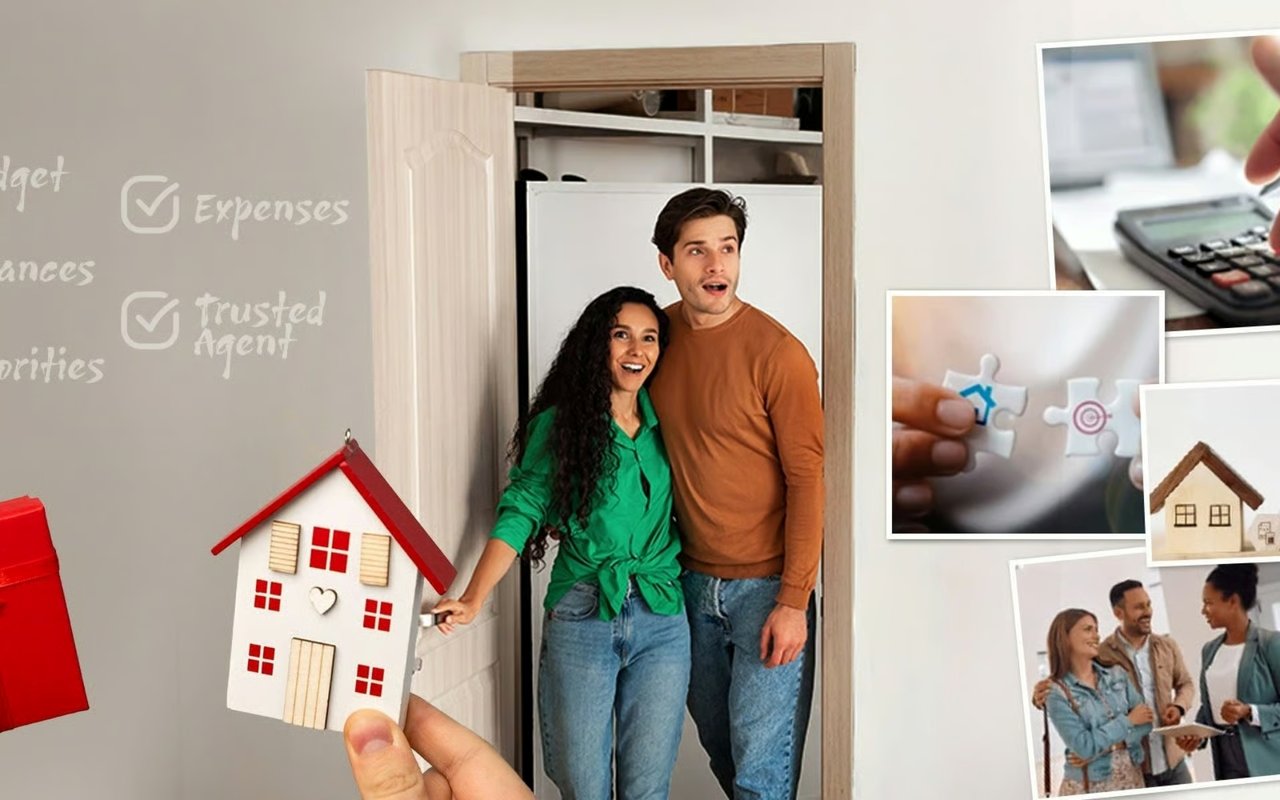
Do we want a move-in-ready home or a fixer-upper? Do we have time to tackle renovations?
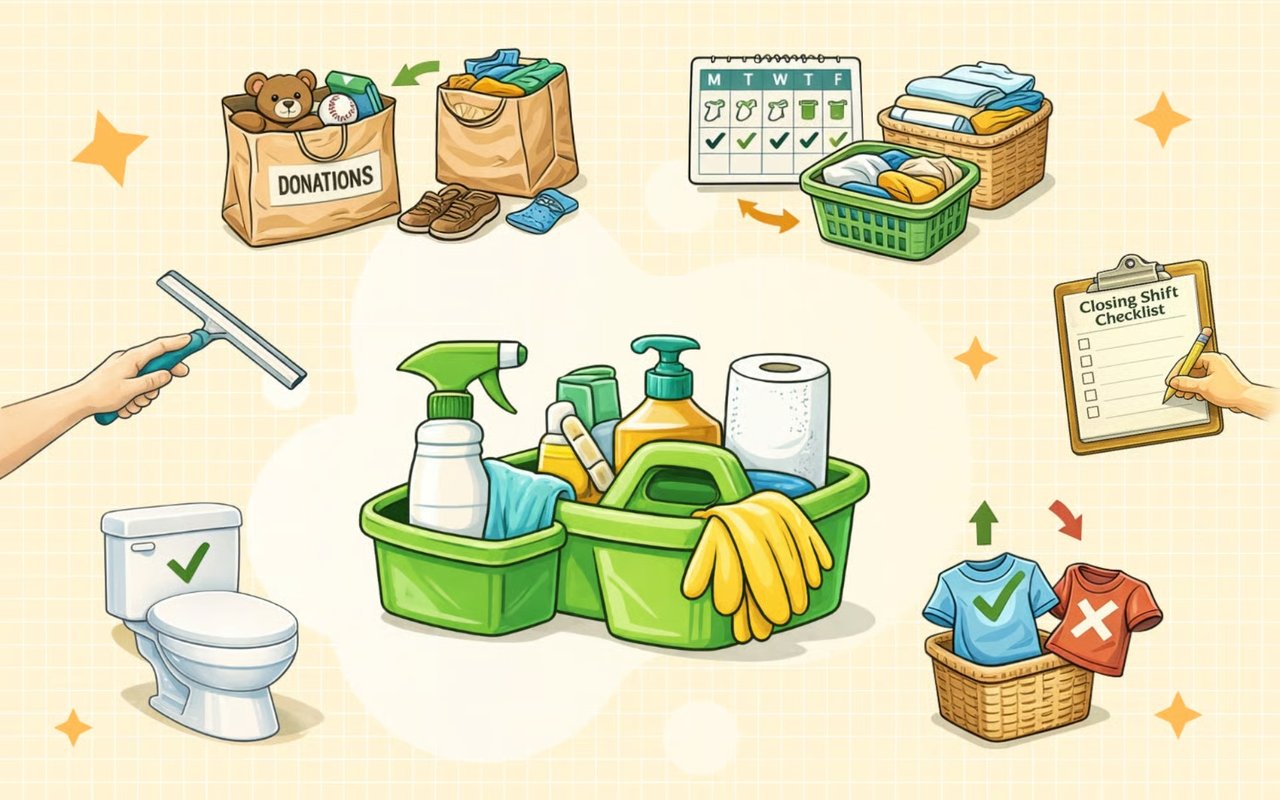
As soon as you notice items you no longer use or enjoy, place them directly into the bag.
Discover the personalized service, market expertise, and proven strategies that help our clients achieve exceptional results.