The Pros And Cons Of Buying A Property Near A Cemetery
Would you mind buying a home near a cemetery? Or do you think it could be a “grave” mistake, especially if you're on the hunt for your first home?
With roughly over 144,000 cemeteries and graveyards located in the U.S., it isn’t surprising that many of them are located close to residential neighborhoods.
But because location matters in real estate, many buyers may find it unsettling to buy next to a graveyard. A cemetery is considered an “undesirable” location after all, much like near train tracks, a highway, near an airport, or even close to a cell tower.
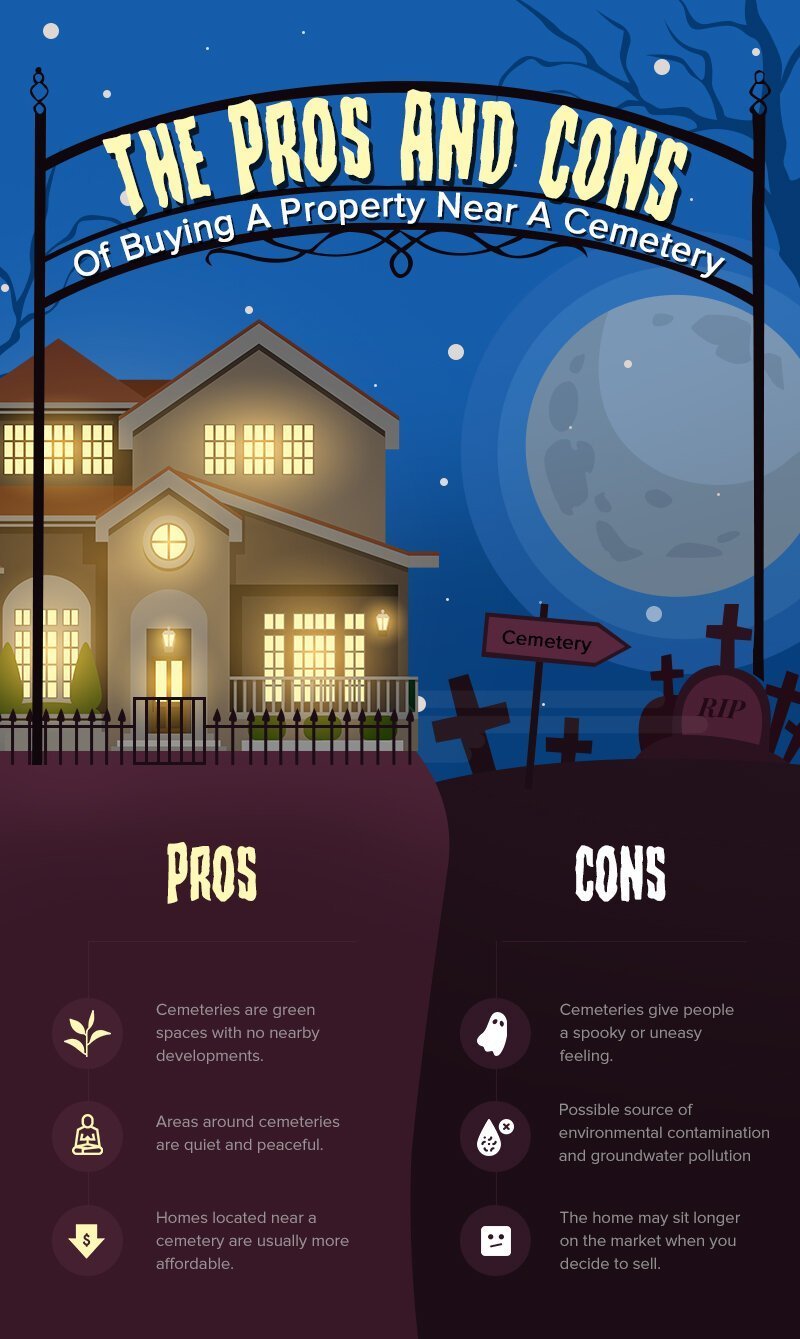
While studies have shown that cemeteries in general had no obvious effect on home prices, here are some of the pros and cons to help you think things through.

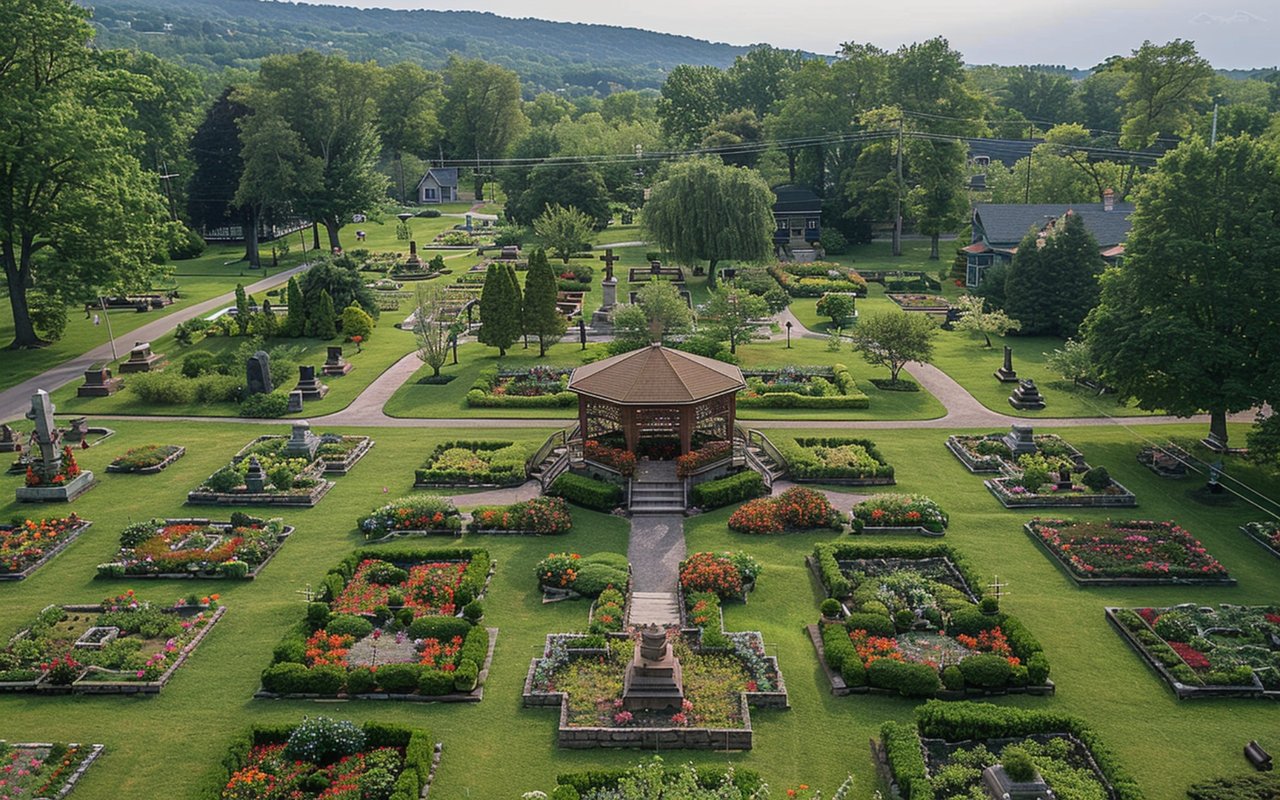
Graveyards are typically well-maintained and beautifully landscaped, with park-like spaces where people can enjoy walking and do other forms of exercises. Also, cemeteries are almost always being left alone, which is why homeowners living near them won't have to worry about residential or commercial developments that might affect their neighborhood.

It's true when they say, “cemeteries make quiet neighbors”. While there’ll be noise from occasional funeral processions, earth movers, and visitors, cemeteries are usually quiet for much of the year. Especially if you’re fed up with the normal hustle and bustle or rowdy neighbors and their noisy activities, this is where you can find the peace and tranquility you’re looking for.
It’s also perfect for people who love the history and connection of a cemetery to the community.

This is great news if you're looking for more affordable homes and don’t mind living a stone’s throw away from a graveyard. According to a 2016 research by realtor.com®, the median home price in neighborhoods with a cemetery are about 12% lower than similar properties in other areas without graveyards. And since a cemetery is not seen by many as a good selling point, sellers might be glad to negotiate on the price.

While this one is more psychological, the spooky atmosphere of a cemetery can give many people the creeps. For some, it might even be a taboo to consider a property next to a row of tombstones. Others might not want a constant reminder of their mortality and don't want to be reminded of the sorrow and grief that comes from losing a loved one.

One concern is the risk of toxic chemicals from coffins, formaldehyde from the embalming liquid, and even mercury from medical products, which can pass through the soil and intro groundwater. However, there's now a growing number of “green” cemeteries where green or natural burials are being done as a viable alternative.

Since a cemetery is generally not seen as a selling point, properties near cemeteries tend to sit longer on the market. There's also a limited pool of potential buyers because of the stigma surrounding cemeteries.
But despite the longer days on the market, studies have shown that homes for sale near cemeteries are not severely impacted by the proximity of the deceased, and may actually sell for more.


Beyond aesthetics, driveways provide practical value that buyers appreciate.
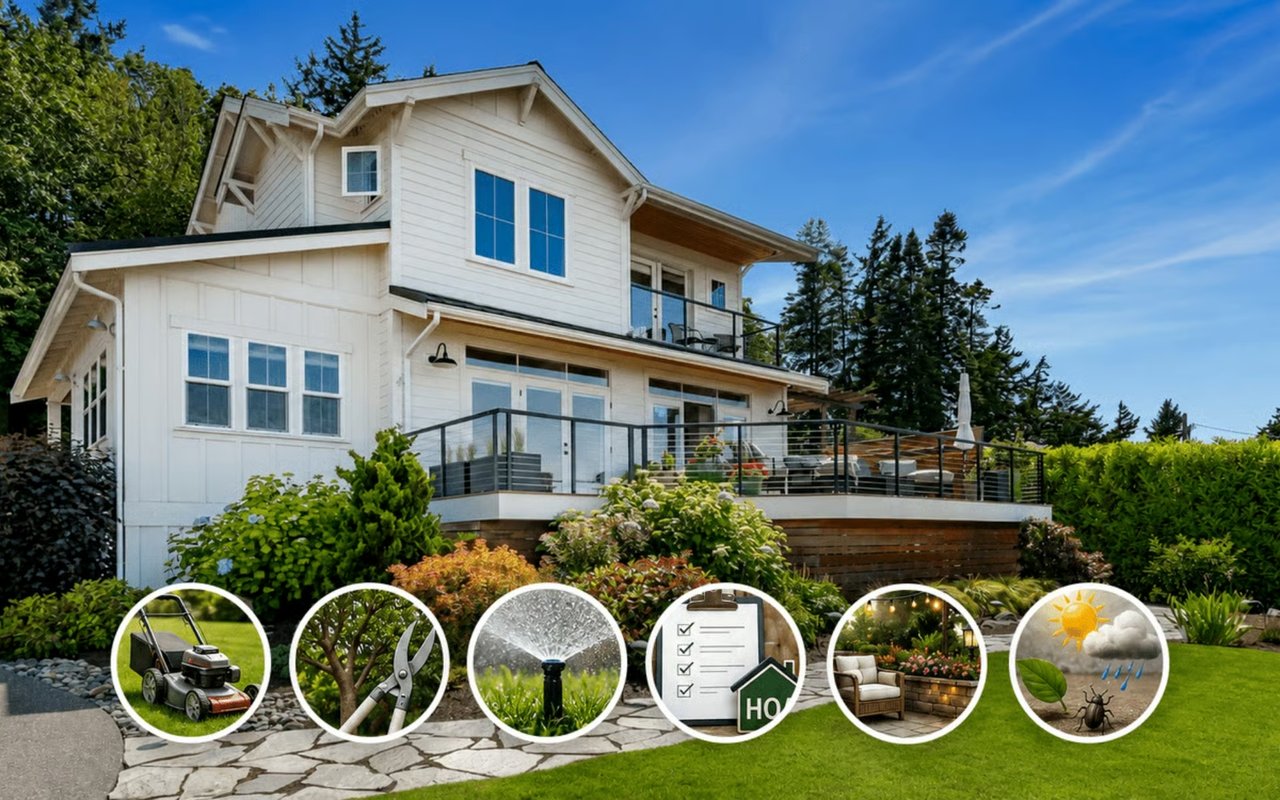
Landscaping plays a major role in a home's appearance, value, and enjoyment.

One of the easiest ways to refresh a room is with a coat of paint.
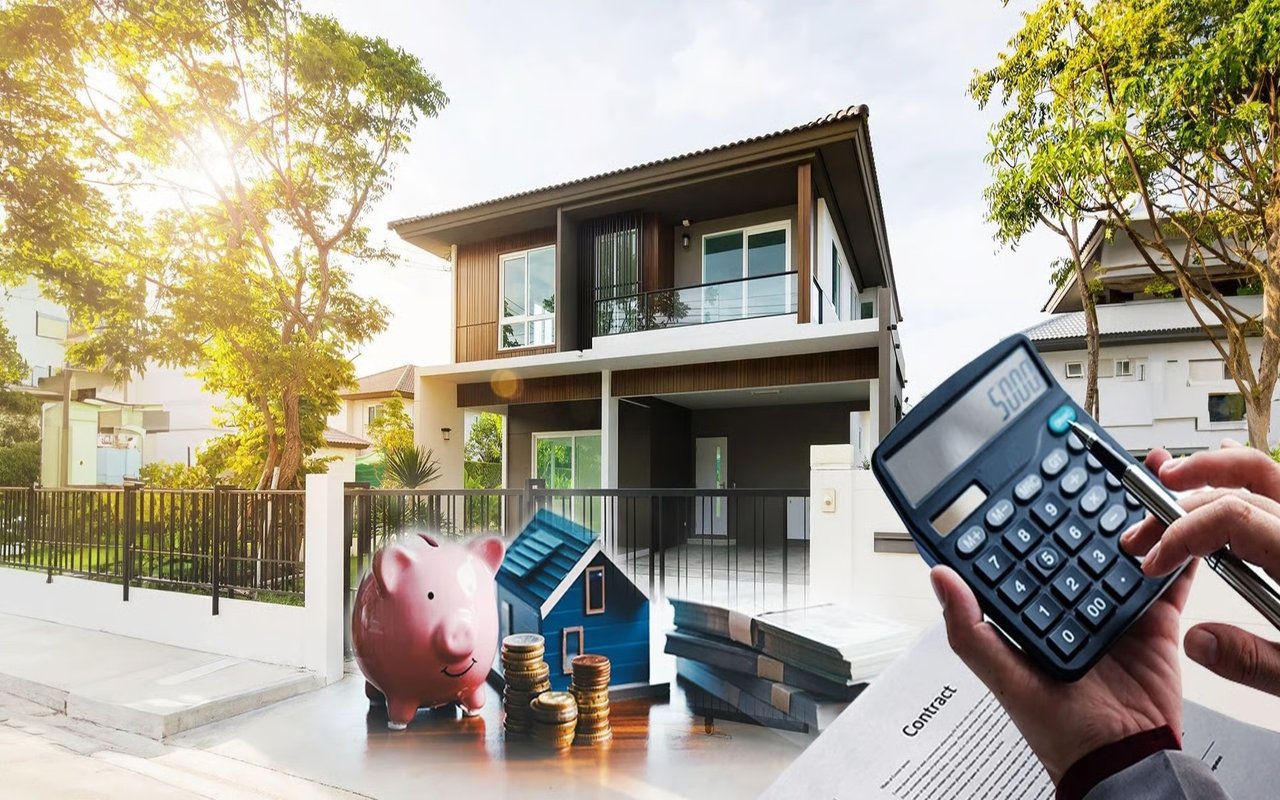
This is the amount you pay upfront, usually a percentage of the home's purchase price.
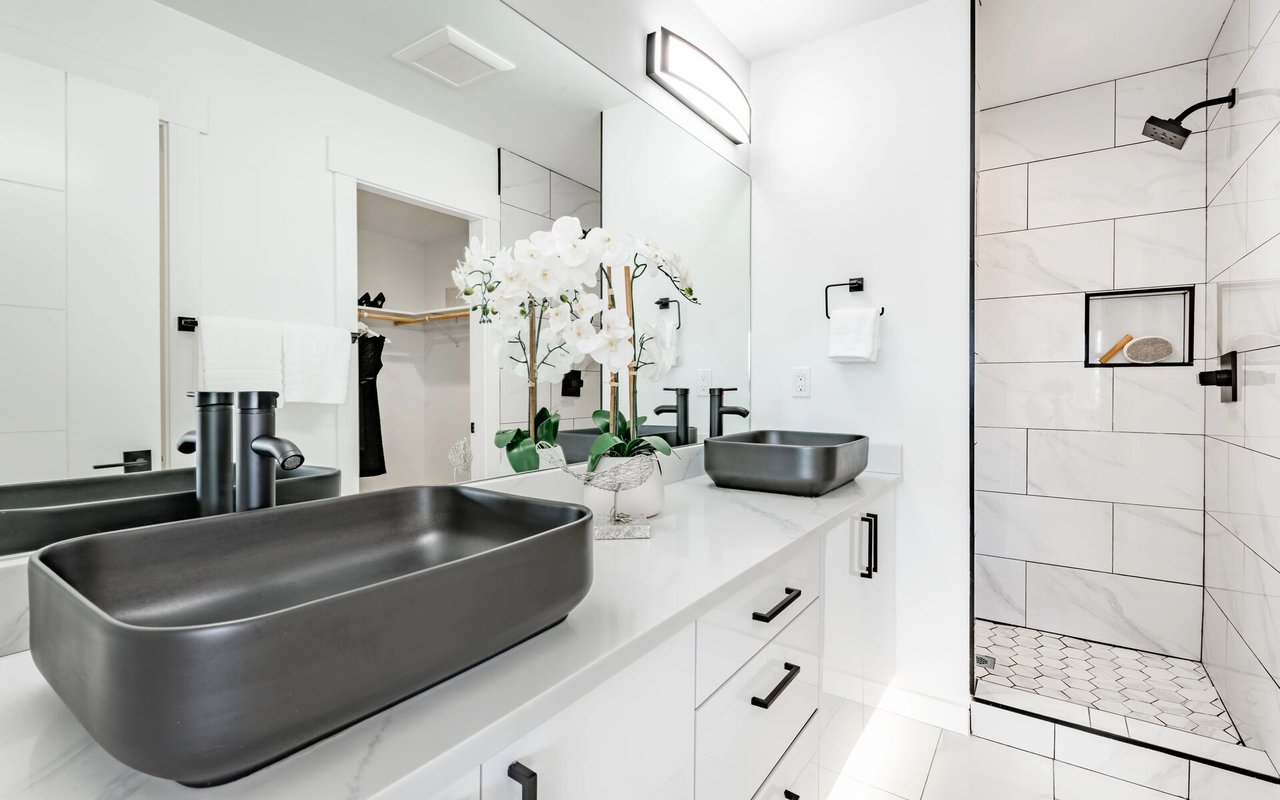
As with the kitchen, the bathroom plays a huge role in making a good impression on home buyers.
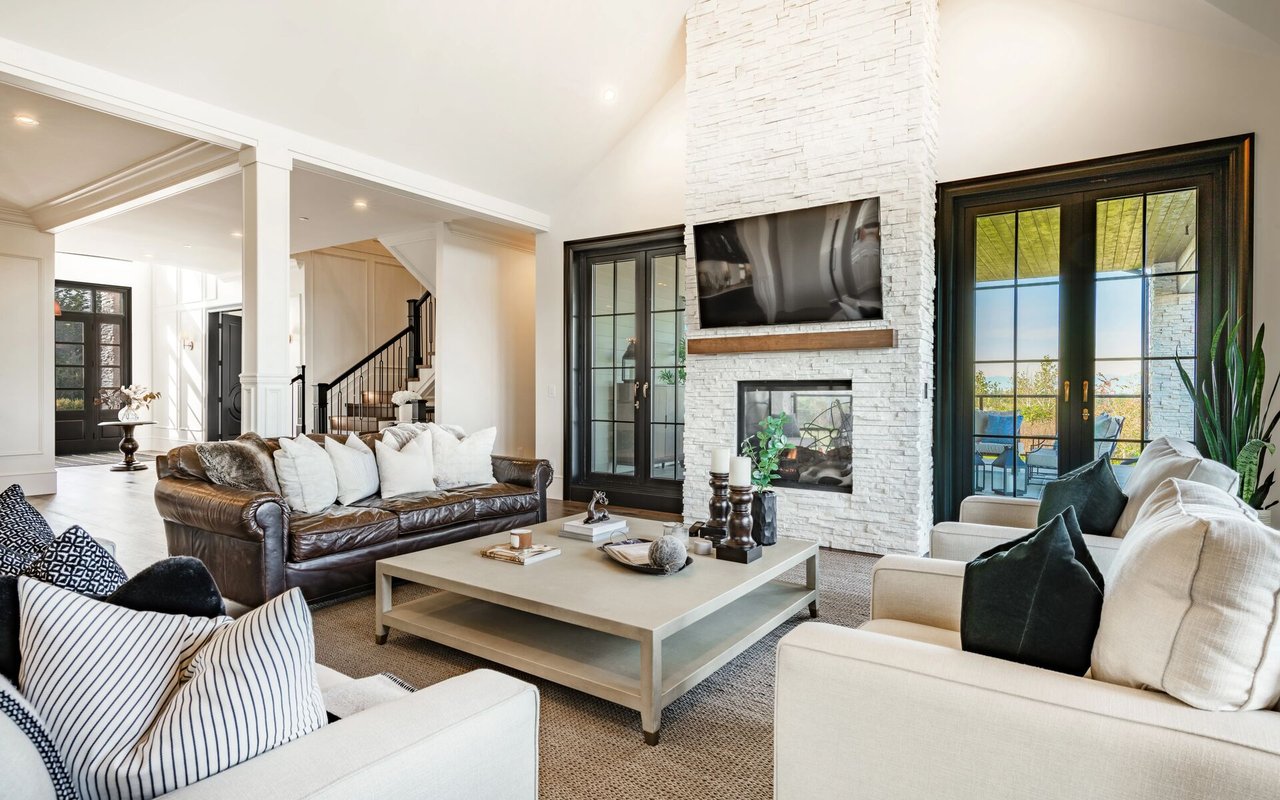
Even if you’re not putting 20 percent down, we’re still talking about saving thousands of dollars.
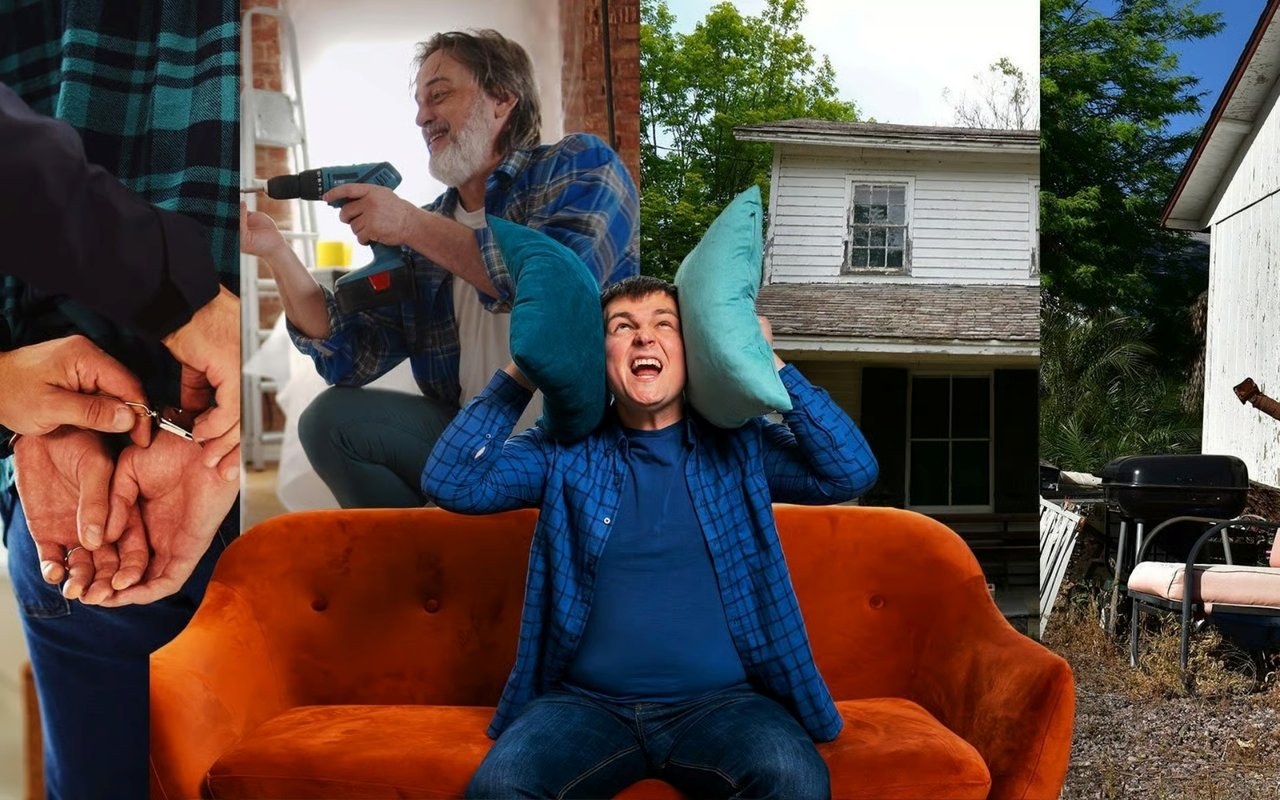
Statistically, homes surrounded by offenders receive fewer and lower offers.

Do we want a move-in-ready home or a fixer-upper? Do we have time to tackle renovations?
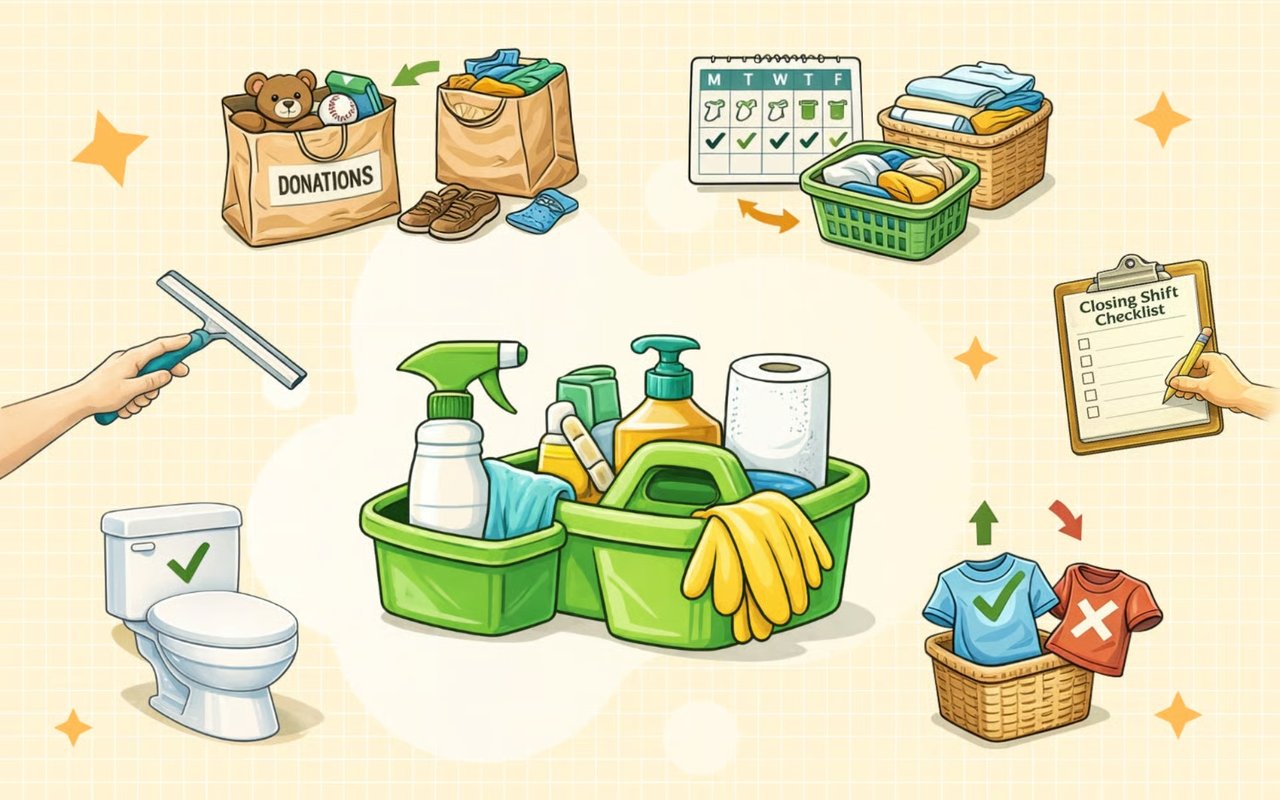
As soon as you notice items you no longer use or enjoy, place them directly into the bag.
Discover the personalized service, market expertise, and proven strategies that help our clients achieve exceptional results.