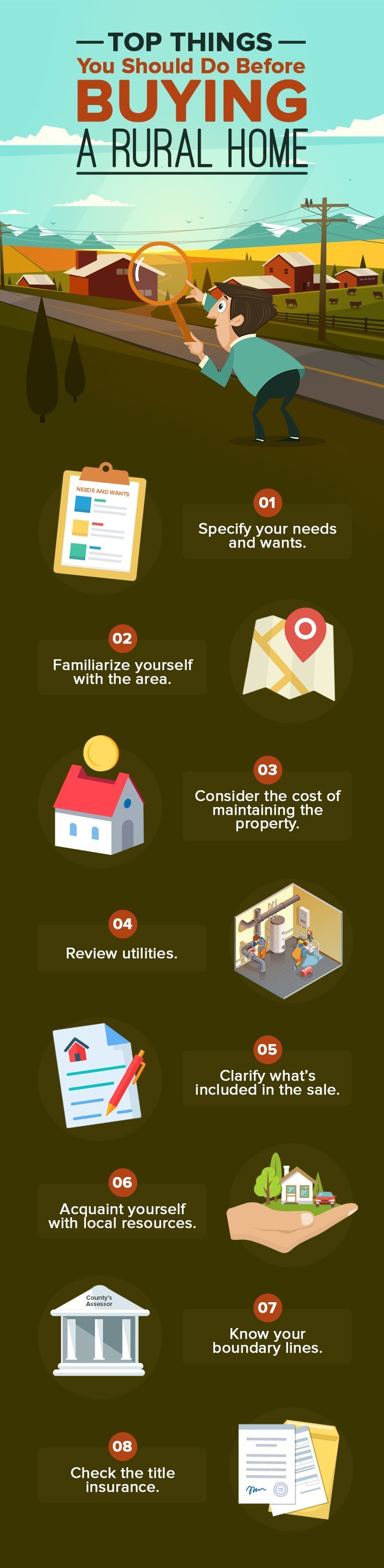
Top Things You Should Do Before Buying A Rural Home
If you're planning to move away from the city and live a more simple life in the country, take note that it does not come without its unique set of challenges. Here are a few tips to help you when you decide to buy a rural home.
Before you plan to buy a home in a rural area, it's best for you to check with yourself what your reasons for buying are. What are you going to make out of this property? Are you using it as a vacation home or a primary residence? Are you going to use the land for agricultural purposes? Do you need your lot to be arable? One way to do this is to make a list of what you need and want your living conditions to be. Include your non-negotiable conditions and nice-to-haves. What you put into this list will help you narrow down the rural areas and properties that would suit you, and would also be of useful information to your real estate agent.
Unless you've lived in this area before and decided to move back, the ideal action when you’re moving to an unfamiliar location is to rent in the area first. However, time and other resources can sometimes make that impossible—leaving you with the option to simply do your research on the area. If the agent you hired happens to be from there, you can ask them to give you information but make sure to still do YOUR homework. Here are some items to cover:
The cost of maintaining the property depends largely on the size of the house and the land. The more acres you have, the more you'd have to spend. You're also going to need bigger tools in place of the ones you have, or you may need ones you may not have while living in the city such as a 4-wheeler truck or a tractor. And remember that the costs are not just limited to the monetary one; you also have to include the cost of your labor in cleaning waste, mowing the lawn, etc. Under certain circumstances, you may also need to consider if you could afford an extra hand in the maintenance. Take all of these into account and deliberate if you could afford and sustain all those expenses for the next 5 years and more.
Utilities in a rural area will differ greatly from those used in suburban areas. An important thing to note is that rural utilities are not tied to commercial systems. Check for each of these utilities and if anything happens to not be within your preference, negotiate with the seller (and the community) how it could be made to suit your needs.
Specify in the contract what feature, building, and structure of the home you think are included in the sale because it could be taken down or away by the seller. At the minimum, and if applicable, the sale should include these:
Ask assistance from local offices regarding issues that you need help on such as property maintenance, ecosystem conservation, etc. Here is a list that could help you with your specific needs:
The step to guarantee how many acres of land you're buying (and will be taxed on) is to visit the county’s assessor office. They could present you information on the property with a description of its metes and bounds. Check if there is a difference from the original listing and ask the assessor to explain.
Inspecting the title insurance lets you know of the issues associated with the property that may not have been disclosed such as the property being recorded as a toxic dump site. There are also other issues that could be attached to it such as unknown or unresolved liens. The county's recorder can pull up this document for you as it is available to the public.

Beyond aesthetics, driveways provide practical value that buyers appreciate.

Landscaping plays a major role in a home's appearance, value, and enjoyment.

One of the easiest ways to refresh a room is with a coat of paint.

This is the amount you pay upfront, usually a percentage of the home's purchase price.
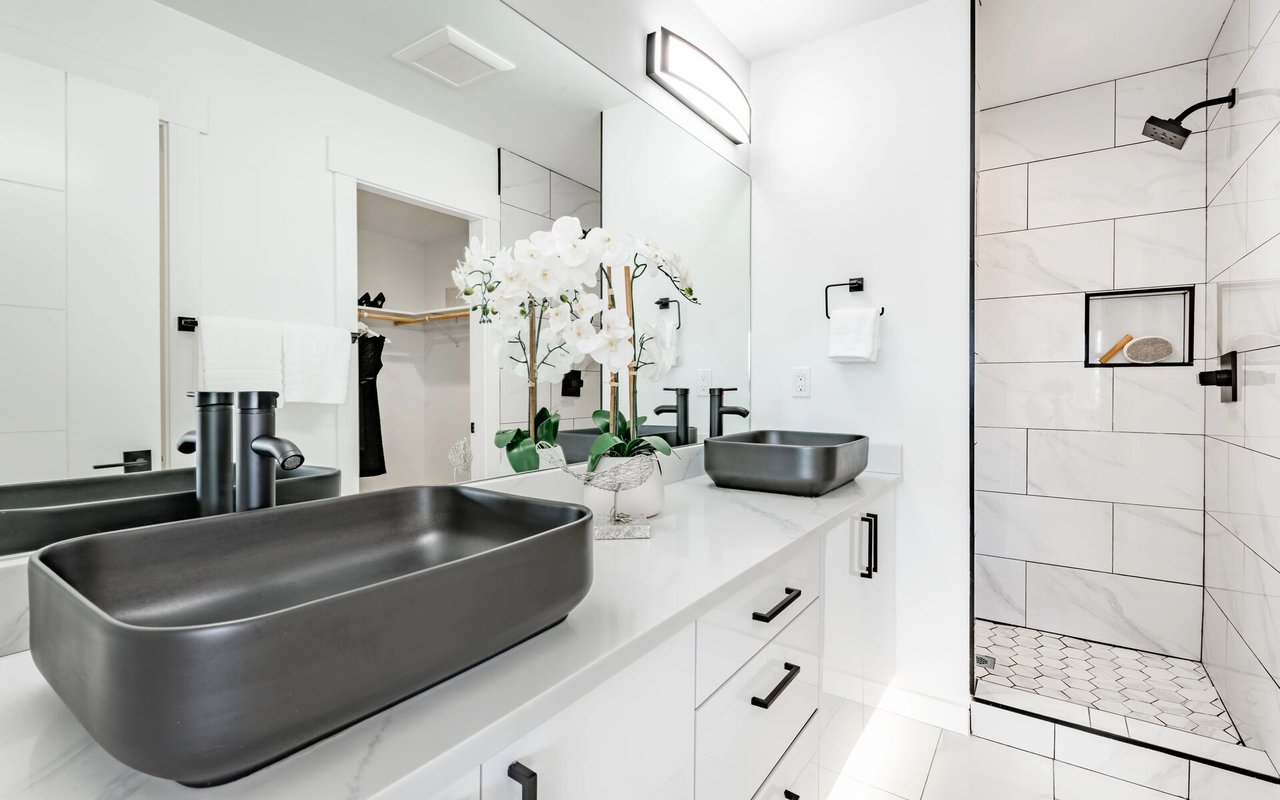
As with the kitchen, the bathroom plays a huge role in making a good impression on home buyers.
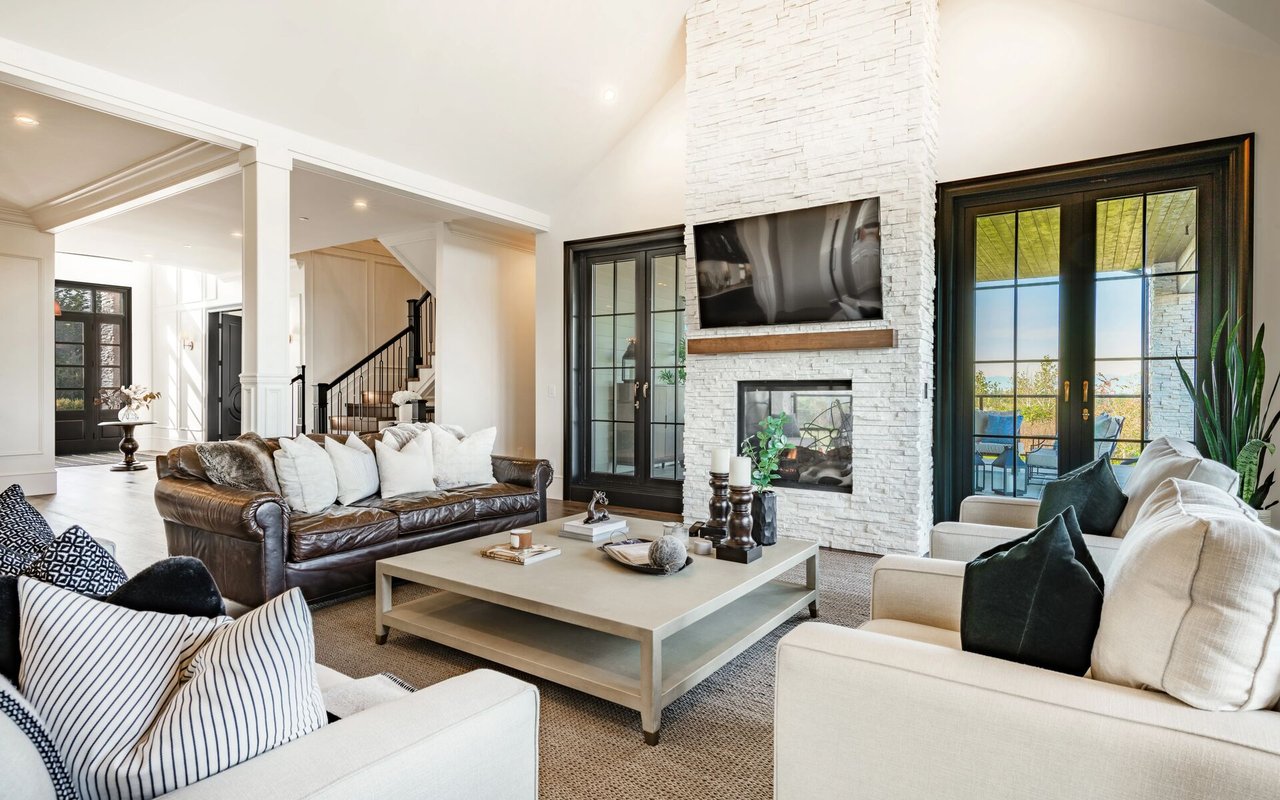
Even if you’re not putting 20 percent down, we’re still talking about saving thousands of dollars.

Statistically, homes surrounded by offenders receive fewer and lower offers.

Do we want a move-in-ready home or a fixer-upper? Do we have time to tackle renovations?
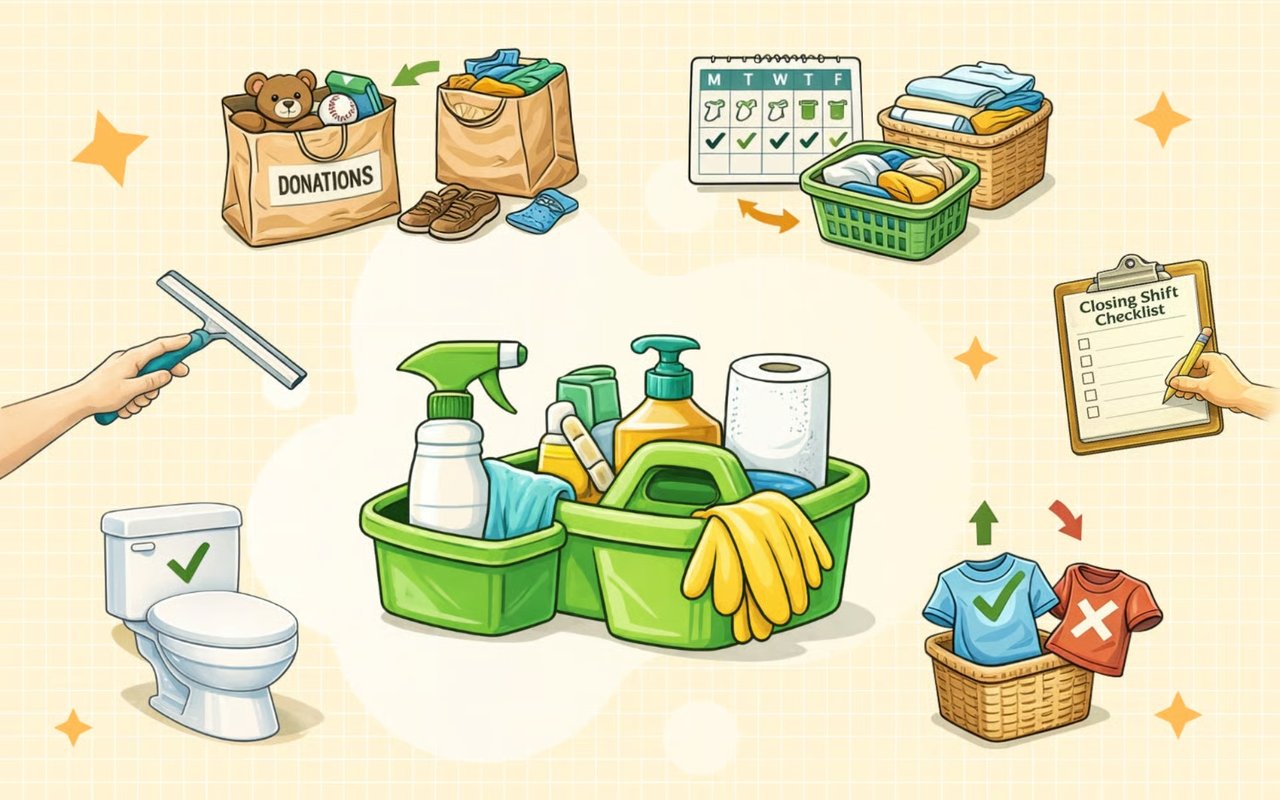
As soon as you notice items you no longer use or enjoy, place them directly into the bag.
Discover the personalized service, market expertise, and proven strategies that help our clients achieve exceptional results.